Blog

  • How to Wash and Store Winter Clothes: A Seasonal Guide

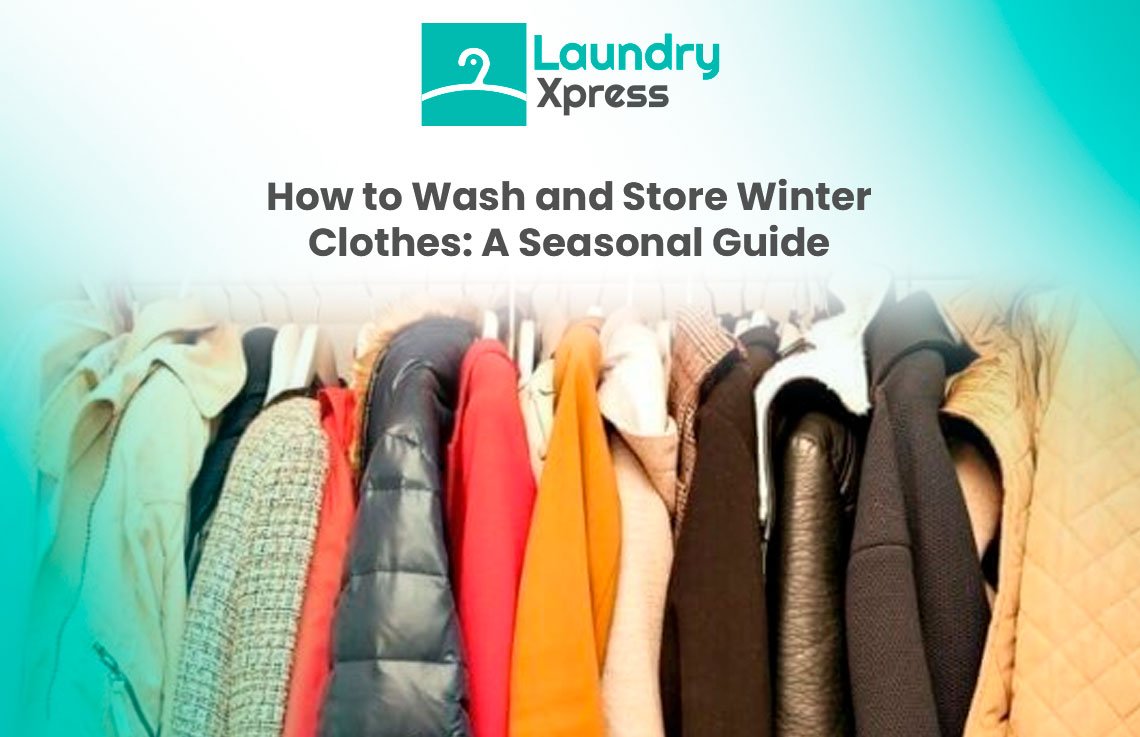
    How to Wash and Store Winter Clothes: A Seasonal Guide

    Winter clothes are a practical and stylish investment that will benefit you for many years. From the softest turtleneck to the rain jackets that you wear when it’s wet outside, these garments keep your body warm and protect you from the cold weather the whole season while also making a fashion statement. But if you want them to last, proper care is essential. These laundry tips for winter fabrics will tell you everything you need to know about clothing and storing, so you have them well preserved.

    1- How to Wash Winter Clothes: The Ultimate Care Guide

    Winter wear is constructed using defined materials that preserve heat, repel moisture, and boost longevity at the same time. Nonetheless, these fabrics are also among those that are more demanding and need extra attention to avoid shrinkage, discoloration, or any other types of damage.

    a. Know Your Fabrics

    Winter clothes come in a variety of materials, and each of them requires specific cleaning procedures.

    • Wool: A soft and warm fabric which contracts when it is subjected to high temperature levels.
    • Cashmere: It is both fragile and luxurious that is why it needs a cautious treatment.
    • Synthetic Blends: The items made with them are used as thermal wear or fleece, usually easy to wash.

    b. General Washing Tips

    Always look for cleaning directions on labels and sort colorful clothing. Use a mild detergent formulated for wool or other delicate fabrics and wash it on a delicate cycle or by hand gently in lukewarm water. Do not use hot water and do not increase the machine load to avoid shrinking or stretching. Rinse well to remove the detergent from your clothes, and whenever possible, air dry them. Lay sweaters flat to keep the shape and hang coats on padded hangers. For small dirt spots, gently spot clean them. These simple moves will leave your winter outfits smelling fresh, shiny, and ready to go for the next season!

    Washing wool clothes and sweaters must be done carefully to ensure the softness and durability of wool coats and sweaters are sustained. It is always best to start by reading the care label for the manufacturer’s specific instructions. To hand wash sweaters, you should use only lukewarm water with a mild wool-friendly detergent.

    The next thing to do is to stir the sweater gently in the water, rinse it out, and then lay it flat on a surface to dry. Wool coats, on the other hand, usually need to be cleaned only at spots or washed by hand occasionally. Use a mild detergent and do not wring or twist the fabric. To maintain the shape and texture of the wool items, one should always air dry them rather than use a dryer.

    c. Machine Washing Winter Clothes

    For clothes with labels that say they can be washed in a machine, follow the instructions below.

    • Material Separating: The clothes that are made out of the same fabric should be together so that there are less chances of damage.
    • Machine Adjustment: Opt for the gentle cycle, which is set to cold water.
    • Protect Delicates: Place items like sweaters or scarves in mesh laundry bags.
    • Be Careful Drying: If you let the garment air-dry, then it will definitely be the best way for you to do it. Low drying is good for the environment.

    d. Removing Stains from Winter Clothes

    Winter clothes are prone to stains from coffee spills, snow, or mud. Here’s how to tackle common stains:

    • Oil-based Stains: Sprinkle baking soda on the stain, let it sit for 15 minutes, then wash.
    • Salt Stains on Boots: Mix equal parts vinegar and water, dab the solution onto the stain, and wipe clean.
    • Mud: Allow it to dry completely, then brush off loose particles before washing.

    2- Storage of Winter Clothes: A Step-by-Step Guide

    When the cold season ends, storing winter garments properly ensures that your clothes remain fresh and ready for the next year. Here’s how to store them like a pro:

    a. Start with a Deep Clean

    Before storing, wash or dry clean all items. Dirt, sweat, or oils left on clothes can attract pests and cause discoloration over time.

    Why Cleaning Matters:

    • Stains can become permanent if left untreated.
    • Clean clothes reduce the risk of moth infestations.

    b. Dry Thoroughly

    Moisture is the main contradiction in preserving apparel. It only needs a little to make mold. Try to dry every single item of clothing before folding it into a package.

    c. Store in the Right Location

    Where you store your winter clothes is just as important as how you store them.

    • Cool and Dry Areas: Avoid basements or attics where temperature and humidity fluctuate.
    • Dark Spaces: Light can fade fabrics over time, so opt for closets or under-bed storage.

    3- Common Mistakes to Avoid

    Even if you make the finest efforts, these simple errors can result in the damage of your winter clothes:

    • Not Washing before Storing: Soil not only attracts insects but also makes your garments weaker.
    • Storing in Plastic Bags: These trap moisture, leading to mold.
    • Overloading Storage Units: The clothes are squeezed to the corners of the basket and may be wrinkled.
    • Not Turning to the Care Label: It is a good idea to follow the care label instructions so less accidental damages happen.

    Caring for your winter fabrics doesn’t have to feel like a chore—it’s all about working smarter, not harder! With this winter clothes care guide, you can conquer lint, wrinkles, and even those stubborn salt stains like a pro. Now it’s your turn! Which of these laundry hacks will you try first? Or maybe you have your own secret tip to share? Let Laundry Xpress know—we’d love to hear your winter laundry success stories! Keep your cozy garments looking their best and ready to keep you warm all season long.

  • How to Prevent Fading and Color Loss in Clothes

    How to Prevent Fading and Color Loss in Clothes

    We’ve all been there—your beloved red t-shirt is now a faded pink, while the deep blue jeans have transformed into a dull gray. Everybody wants to have a very fashionable and vibrant wardrobe, and for its maintenance it is vital to avoid color fading. Fortunately, your clothes maintain a long life of their gems if the right techniques of color fading are used.

    This blog will deal with practical methods for how to keep colors vibrant with laundry techniques. 

    Laundry Tips to Stop Fading

    Sort with Care

    Separating clothes is something that has been practiced for a long time and it not only helps to avoid colors bleed between the items, but it also serves as a trick to protect the newness of the fabric.

    Turn Clothes Inside Out

    Just remember this trick, “Always turn your clothes inside out before tossing them in the washing machine”. This easy step minimizes friction and agitation on the outer surface, protecting colors and patterns from fading.

    Wash Clothes in Cold Water

    Say no to fading by avoiding heat and washing your clothes in cold water! Warmth is responsible for the dulling of textile materials, but a cold wash preserves the bright colors, hence the apparel remains fresh and colorful.

    Use Color-safe Detergents

    Washing clothes to prevent fading with color-safe detergents in order to maintain the vibrancy of clothes.Normal detergents often contain harsh chemicals that can ruin the freshness of your garments.

    Overloading Washing Machine

    Stuffing a washing machine with a lot of clothes may seem faster with time-wise, but in real life, it will increase the chances of fading. More clothes causes friction which results in mixing of dyes.
    Minimize the use of Dryer

    Drying clothes using the high heat from dryers can result in fabric dyes being broken down, therefore, the colors fade faster. In order to prevent color fading in clothes, air drying can be the best way to keep them looking new.

    Wash Less Frequently

    Faded fabrics can often be a result of overwashing them. Sometimes it is not necessary to wash clothes after every use unless they are heavily soiled.

    Protect Clothes From Sunlight while Drying

    While sunlight is great for drying clothes naturally, prolonged exposure can fade colors. UV rays break down fabric dyes, leaving clothes looking dull.

    Use Vinegar or Salt to Lock in the Colors

    Natural remedies like white vinegar and salt not only are so powerful that they tend to keep colors on the clothes, but also prevent them from fading and stay vibrant.

    Vinegar Wash: When the whites have been washed in the first cycle one can add a cup of white vinegar to both the wash and the rinse to preserve the dye and soften the clothes.

    Salt Soak: To prevent a new garment’s colors from bleeding, pre-soak it in cold water with one-half of a pinch of salt before washing it for the first time.

    When you follow these color-safe laundry techniques, like using cold water, sorting clothes, and the right detergent, you can avoid color fading in clothes and keep the colors fresh. By working on these tips, you can not only keep your outfits for a longer time, but also save your expenses and minutes. In your busy schedule, Laundry Xpress is here to help! With our professional services, we make sure your clothes are handled with care, from washing to drying, so you never have to worry about fading or dull colors.

    FAQs

    1- How can I prevent color fading in regular clothes during washing?

    To prevent color fading in clothes, sort them, turn clothes inside out, use cold water while washing and avoid using dryers.

    2- Should I use a specific detergent to keep colors bright?

    Yes, using a color-safe detergent works best for darks and brights . It can protect dyes and prevent fading. 

    3- What’s the best way to dry clothes without causing color loss?

    Air drying is the safest method to protect colors. If drying outdoors, hang clothes in the shade and turn them inside out to avoid sun damage.

    4- How can I care for new clothes to prevent fading?

    For new clothes, pre-soak them in a mixture of cold water and salt or vinegar to set the dyes before the first wash. Always wash them separately for the first few cycles.

  • Too busy for laundry? Here’s why Kashan recommended Laundry Xpress in Karachi 

    Too busy for laundry? Here’s why Kashan recommended Laundry Xpress in Karachi 

    Laundry is one of the chores that we all avoid. Too much time is consumed from your hectic schedule to the washing, drying, and ironing of clothes. But what if there was a way to make it hassle-free and efficient? For the residents of Karachi, Laundry Xpress has become a household name, offering premium door-to-door laundry services tailored to busy lifestyles, as highlighted in Kashan’s video. Have a look at the ultimate reasons why people choose Laundry Xpress.

    1. Door-to-Door Convenience

    Just imagine that you do not have to step outside your home or rearrange your schedule to drop and pick up your clothes. With Laundry Xpress, your clothes are picked up from your doorstep and delivered back to you—fresh, clean, and neatly ironed—all within 3-4 days. As they serve the entire city, it doesn’t matter where you live. It is also the right fit for those who have tough jobs, parents, or those who would like to save more time and engage in other activities.

    2- Professional Washing and Ironing

    “Your clothes deserve the best”. Laundry Xpress makes use of the most modern equipment and top-quality products to ensure that your clothes receive the best laundry care. You will never see your clothes fade, have rough fabrics, or be unevenly ironed. Muhammad Kashan emphasizes that they provide special attention to delicate fabrics and handle cotton and silk with perfection.

    3- Transparent E-Digital Invoicing

    Have you ever received a handwritten bill and wondered if the charges were accurate? With Laundry Xpress, you’ll never face that uncertainty. They give the e-digital invoices (e-invoices), which guarantee transparency.

    Love staying organized? Save your e-invoices digitally to keep track of your laundry budget!

    4- Dedicated Customer Service: Always There for You

    At Laundry Xpress, it is not only the washing and ironing of the clothes that counts, it is the fast, stress-free process, where customers come first. Their dedicated customer service team is committed to ensuring your satisfaction at every step.

    Whether it’s about pricing, packages, or special services, their team is always available to provide clear and helpful answers. If you want to cancel the next day’s pick-up, or just reschedule a delivery, you can directly call their customer care.

    5- Affordable Monthly Packages

    For regular laundry needs, the laundry of Laundry Xpress should be the first choice for most people due to the affordable and comfortable monthly packages.

    Exclusive Offer:

    Visit their website today to explore their monthly packages and find one that suits your lifestyle.

    6- Serving the Entire Karachi Community

    From the bustling streets of Saddar to the neighborhoods of DHA, Laundry Xpress has made its mark all over Karachi. Kashan appreciates their wide reach which ensures that everyone can enjoy a hassle-free laundry experience.

    How to get started with Laundry Xpress?

    1. Visit Their Website: Check out their packages and services and get ready to avail the offers
    2. Schedule a Pickup: Choose a time that works for you and contact their team.
    3. Let Laundry Xpress handle the rest!

    Have you tried Laundry Xpress yet? Hurry up! Consider Muhammad Kashan’s recommendation and take advantage of their exclusive offers right now!

  • Laundry Care for Baby Clothes: Keeping Them Soft and Clean

    Laundry Care for Baby Clothes: Keeping Them Soft and Clean

    Bringing a baby into the family is an extremely happy and joyful period, marked by many notorious moments. But it is also the beginning of a new chapter of life, consisting of sleepless nights, and acquiring knowledge of the proper care of your baby’s special needs. Among these tasks is making sure that your baby’s clothes are soft, clean, and free of irritants to protect its sensitive skin. Taking baby clothes laundry care is not only about cleanliness but also about feeling the baby safe and comfortable. How do you make sure those tiny outfits stay soft and fresh without compromising your baby’s sensitive skin?

    Let’s explore how to wash baby clothes, and keep them soft and fresh. 

    How to wash baby clothes?

    To keep your baby’s wardrobe clean and gentle on their sensitive skin, follow these  steps for effective care.

    Step 1: Properly Sorting Baby Clothes

    Before you throw your baby’s clothes into the washing machine, it’s important to sort them out. This ensures that the clothes are washed thoroughly without getting damaged.

    • Separate by Color: Keep light and dark fabrics apart to prevent color bleeding.
    • Fabric Type: Avoid washing delicate knits like wool or lace with heavier items such as jeans or towels, as this can lead to damage.
    • Heavily Soiled Items: Wash clothes with stains, spit-up, or diaper leaks separately to prevent dirt from spreading.
    • Use a Mesh Bag for Small Items: Baby socks, mittens, and other tiny items often get lost in the laundry. Keep them together in a mesh bag for safekeeping.

    Step 2: Use of the suitable laundry detergent for baby’s clothes

    One crucial step in laundering baby clothes is the use of gentle laundry detergent for babies. Normal laundry detergents that are generally used by people are even harsher to babies’ delicate skin, as there may be a residue of chemical substances and strong fragrances on the clothes. 

    • Hypoallergenic Formula: Free from dyes and harsh chemicals that can irritate sensitive skin.
    • Fragrance-Free: Strong scents may trigger skin reactions or allergies.
    • Dermatologist-Tested: Ensures the detergent is safe for use on baby clothes.
    • Eco-Friendly: Plant-based detergents are gentle on both clothes and the environment.

    Step 3: Washing baby clothes

    The task of keeping baby clothes soft and cleaning them involves a minor process of washing them properly such that no dirt is left behind, and the fabric remains soft and colorful.

    • Pre-Treat Stains: A gentle stain remover should be used to get rid of stains like spit-up, food, or diaper leaks.
    • Set the Right Temperature: Clothes have to be washed in cold or lukewarm water to delicate fabrics.
    • Choose a Gentle Cycle: Baby clothes will be washed in your washing machine using the gentle cycle to prevent it from wear and tear.
    • Use the Right Amount of Detergent: Putting too much detergent can leave the fabric filled with residues, which makes it stiff.

    Step 4: Drying washed clothes in sunlight

    Drying clothes in natural sunlight will not only be eco-friendly and carbon free but also highly effective in maintaining their fresh and hygienic conditions. The UV beams of the sun work as a cleaner from nature and kill the bacteria and germs on the baby clothes even after they have been washed.

    • Energy Efficient: This reduces the usage of dryers and therefore, saves consumption of electricity and also the heat from dryers becomes less damaging to the clothes.

    Step 5: Storing Baby Clothes Properly

    Proper storage holds the same weight as washing, especially if you’re storing the clothes for future use or for your next generations.

    • Use Breathable Storage Bags: Say no to plastic bags that tend to retain moisture, which further leads to fungus. Rather than that, use cotton or muslin bags.
    • Fold Neatly: Do not cram all the storage containers, since it will create wrinkles and so on.

    If you are a new parent, and worried about your baby’s clothes then go through the above outlined steps. This can help you to master baby’s clothes laundry care and ensure that they remain soft, and gentle to their skin.

  • Premium Laundry for Luxury Lifestyle: Laundry Xpress is Coming Soon in Dubai, UAE

    Premium Laundry for Luxury Lifestyle: Laundry Xpress is Coming Soon in Dubai, UAE

    Dubai, get ready to experience a revolution in laundry care! Laundry Xpress is launching soon, bringing the perfect blend of luxury, convenience, and sustainability to match your fast-paced and sophisticated lifestyle. From delicate silks and evening gowns to daily essentials, Laundry Xpress is here to take the chore out of laundry and elevate it into a premium experience.

    Life in Dubai is so fast-paced that laundry is usually a chore that disrupts your schedule. From dealing with delicate fabrics like abayas, kanduras, and luxury suits to balancing family laundry loads, Laundry Xpress knows the problems you have to deal with.

    • Time Constraints: Who has hours to spare for washing, ironing, and folding?
    • Fabric Care Concerns: High-end garments need special care to maintain their longevity.
    • Sustainability Matters: Eco-conscious residents are looking for green alternatives.

    Importance of Laundry Services in Dubai

    In a vibrant and bustling spot city like Dubai, the convenience of a laundry service with great quality is a must.  The fast-paced modern lifestyle leaves little room for routine chores such as laundry, making efficiency a priority for busy professionals, discerning residents, and frequent travelers. For them, a seamless laundry solution allows greater focus on work, leisure, and exploration.

    Moreover, premium laundry services are one of the most likely measures that will reduce the stress load of laundry tasks and save scarce time. Whether we talk about cleaning dry fabrics, washing casuals, or supplying impeccably ironed items, these services address a wide range of needs with exceptional precision and care. 

    This is a city known for its high temperatures and dry climate so it is a must to safeguard fabrics and textiles. Be it exclusive attires or home linens, each and every piece is cared for the tiny detail, thus providing longevity, durability, and perfection of the service at the same time.

    Different Types of Laundry Services at Laundry Xpress

    At Laundry Xpress in UAE, our first step is to recognize that everybody has unique laundry needs. This is why we are bringing Laundry Xpress to Dubai to cater your laundry requirements along with the pick-up and delivery service which will bring your life into a new dimension of comfort and convenience. Whether you need your clothes washed, pressed, dry-cleaned, or handled with meticulous care for corporate use, we are here to deliver impeccable results with hassle-free pickup and delivery from scratch.

    1- Wash, Iron and Fold 

    Our Wash, Iron and fold service in Dubai is the perfect solution for those who want fresh, clean clothes delivered neatly pressed and ready to wear. We begin by thoroughly washing your garments using premium detergents that are tough on stains yet gentle on fabrics, ensuring your clothes remain vibrant and long-lasting. Once cleaned, each item is professionally pressed to perfection, giving them a crisp, wrinkle-free finish. Whether you prefer your clothes neatly folded or hung, we tailor the service to meet your preferences.

    This service is ideal for everyday wear, including office shirts, trousers, school uniforms, and casual outfits. It’s the perfect choice for clothes that need regular care and a polished, professional look without the hassle of doing it yourself.

    2- Wash, Dry and Fold 

    Our Wash, Dry, and Fold service in Dubai provides the utmost convenience for daily laundry needs for individuals seeking an economical and effective solution. We will make sure your clothes are clean and fresh by gently washing them with eco-friendly detergents that are safe for all kinds of fabric. To avoid shrinking or damage, we use contemporary, fabric-safe methods to completely dry every item after washing. Lastly, our staff in Dubai folds your garments neatly so they can be stored easily or used right away. This service is ideal for large laundry loads, bed linens, towels, and casual apparel. 

    3- Iron and Fold 

    If your clothes are already clean but need a professionally pressed finish, our Iron and Fold service in Dubai is the ideal solution for residents of Dubai. We use high-quality steam presses to eliminate every wrinkle and crease, leaving your clothes looking crisp, sharp, and ready to wear. Whether it’s formal shirts, trousers, dresses, abayas, kanduras, or delicate fabrics, our team ensures each garment is handled with care and precision. This service is perfect for professionals and individuals who want their clothes to look immaculate without spending time ironing at home. With Laundry Xpress, you’ll always step out looking polished and confident.

    4- Corporate Laundry

    Our corporate laundry services in Dubai are designed to satisfy the laundry requirements of companies in a variety of sectors, guaranteeing that workwear, uniforms, and linens are consistently hygienic, fresh, and presentable. In order to minimize any disturbance to your business activities, we will offer comprehensive solutions that include bulk washing, ironing, dry cleaning, and steam pressing, along with flexible pickup and delivery schedules. With our reliability and attention to detail, Dubai businesses can focus on their growth while we handle the laundry with precision and care.

    5- Dry Cleaning and Steam Press

    In the luxurious lifestyle of Dubai, clothes frequently need particular attention, and our Dry Cleaning and Steam Press service produces outstanding results. Using advanced dry-cleaning techniques and non-toxic, eco-friendly solvents, we effectively remove tough stains, odors, and dirt without compromising the quality or structure of your delicate fabrics. To restore a smooth, wrinkle-free appearance, each item is meticulously steam-pressed after cleaning. This service is suitable for bridal gowns, embroidered clothes, suits, silk dresses, abayas, kanduras, and designer clothes. Your expensive clothes will appear brand new, feel renewed, and last longer with our expert care in Dubai.

    Get ready for Laundry Xpress Coming Soon in Dubai, UAE to launch premium laundry services right at your doorstep for the city where life is fast and every moment counts. Our wash and iron, dry cleaning, corporate laundry services, we ensure your clothes receive the care they deserve, while you enjoy the luxury of free time and convenience. 

  • The Science Behind Fabric Softener: Is It Good or Bad for Your Clothes?

    The Science Behind Fabric Softener: Is It Good or Bad for Your Clothes?

    When it comes to laundry, fabric softener tends to spark debate. Some people swear by its ability to make clothes feel incredibly soft and smell delightful, while others wonder if it’s really necessary or even beneficial for fabrics over time.

    So, should you use fabric softener, or is it time to ditch this laundry staple altogether? In this guide, we’ll reveal its true impact on your clothes, and help you decide if it’s a must-have in your routine—or just a costly extra. Let’s separate the facts from the fluff and uncover the truth about this divisive product!

    What Is Fabric Softener, and How Does It Work?

    Fabric softener, commonly referred to as fabric conditioner, is a product available in liquid form that aims to reduce static, soften fabrics, and impart a pleasant fragrance to your laundry. Let’s have a look at the laundry softener guide to find out how fabric softeners work.

    It functions by applying a thin layer of chemical compounds, typically composed of oils, surfactants, and fragrances, which help make fabrics feel smoother and less clingy.

    How fabric softeners work is represented at a molecular level in the interaction between surfactants and fabric fibers. Fibers of different kinds such as cotton, wool, and synthetic materials have unique structures that react differently with surfactants.

    Cotton fibers, for instance, have a wax film that can be destroyed during the washing process and be rough and stiff. The fibers in which surfactants from fabric softeners are coated replace the lost wax and create a layer that is smooth and lubricating, making the cotton fabric soft and flexible.

    Wool fibers, on the other hand, are covered with scales on the surface which cause itching or irritation when they touch the skin. 

    Synthetic textiles such as polyester and nylon are known to be less absorbent than natural fibers and they can even get charged with static electricity. Surfactants in fabric softeners can instantaneously neutralize the static charge and this way helps to wrap these materials with a softer and more comfortable texture.

    Pros and Cons of Fabric Softener

    Although this may seem advantageous, the fabric conditioner effects on clothes can differ based on the type of fabric, the washing machine used, and the frequency of application.

    Pros:

    Fabric softener has become a common item in many homes for good reason—it offers clear advantages that leave laundry feeling fresh and cozy.

    • Softer Clothes

    The most noticeable benefit of fabric softener is how it changes the feel of fabrics. Clothes, towels, and bedding end up softer and more pleasant to touch.

    • Less Static Cling

    Fabric softener cuts down on the static electricity that often builds up as clothes dry. This means your clothes won’t stick to each other or to your body when it’s dry or cold outside.

    • Fresh Scents

    Many fabric softeners contain scents that make clothes smell clean and fresh for a long time. This can make doing laundry more enjoyable and help you go longer between washes for things like blankets and curtains.

    • Fewer Wrinkles

    By cutting down on friction and helping fabrics move more , fabric softeners can stop wrinkles from forming. This makes clothes easier to iron or wear right after they come out of the dryer.

    • Some Fabrics May Last Longer

    Fabric softeners can help certain materials, like cotton, hold up better over time. They cut down on the wear and tear that happens when clothes rub against each other in the wash and dryer. This means your clothes might stick around in your closet for a bit longer.

    Cons:

    • Build-Up Over Time

    Frequent use can lead to a residue build-up on clothes, reducing their breathability and absorbency, particularly for towels and activewear.

    • Reduced Absorbency

    A product, such as a fabric softener, on the other hand, can decrease the ability of fabrics like microfiber, towels, or sports clothing to take away moisture, hence, it may be less effective.

    • Not Ideal for All Fabrics

    The incorrect use of them can deteriorate some fabrics like silk, cashmere, and some synthetics in the long term.

    • Environmental Concerns

    Many fabric softeners contain non-biodegradable substances that can be hazardous to the environment if they are thrown in the bin and get washed down the drain.

    • Allergies or Sensitivities

    The fragrances and chemicals in fabric softeners can irritate sensitive skin or cause allergic reactions in some individuals.

    How to Use Fabric Softener Correctly

    If you decide to keep using fabric softener, follow these tips to minimize potential drawbacks:

    • Check Care Labels

    Always read the care instructions on your clothes, particularly the delicate or moisture-wicking fabrics.

    • Use the Recommended Amount 

    Excess usage of fabric softener can cause grime to build up. Just use what is advised on the product label.

    • Dilute Before Adding

    In case your fabric softener dispenser is unavailable on the washing machine, mix it with some water first then put it in to avoid a concentrated deposit.

    • Skip Certain Items

    Staying away from fabric softeners for towels, microfiber, and sportswear is a good way to prolong their usage.

    The Environmental Impact of Fabric Softener

    Fabric softener’s environmental impact is often overlooked in the debate about “should I use fabric softener?”. Numerous products contain chemicals that are not easy to break down, they pollute the water system and are harmful to the life of the aquatic animal. Also, the plastic packaging of most fabric softeners is contributing to the global waste.

    If you’re concerned about the fabric conditioner effects on clothes and its impact on the planet, switching to eco-friendly options like vinegar or wool dryer balls is a smart choice.If households want to reduce their ecological footprint, then choosing some substitute like vinegar, or wool dryer balls is the right way to go.

    Is Fabric Softener Necessary?

    Laundry Xpress main priority has always been their customer’s personal comfort and laundry needs. For the best and pleasant smell, fabric softener may be considered a beneficial and practical option by us. 

    As a result, when you wonder about “Is it good or bad for your clothes”, keep in mind the pros, cons, and substitutes to ensure you make the best choice for your clothes, your skin, and the planet.

  • How to Remove Stubborn Stains: Your Ultimate Guide

    How to Remove Stubborn Stains: Your Ultimate Guide

    Have you ever experienced the pain of spoiling your favorite outfit just because of stubborn stains? It is inevitable that a small mistake, such as a coffee spill or a grease splatter during a morning in a hurry or dinner cooking, can lead to bigger frustrations. With our ultimate stain removal guide, no stain is truly permanent. Get ready to transform your laundry game and say goodbye to those tough stains completely!

    Understanding the Science Behind Stains

    Do you know what other names you could give to stains? Stains are more than just annoying—they’re little chemists, bonding with fabric fibers in ways that make them tough to remove.The best thing though is once you know what they are up to, you can use the best ways to remove stains from clothes.

    Protein-based Stains

    Protein-based stains resulting from blood, sweat, and dairy.  These stains are sneaky because they cling desperately to the fabric and last longer. Hot water is the worst thing to use during removal since the stains will grab even more stains on the textile! 

    Oil-based Stains

    Oil-based stains, such as grease or makeup, also have tremendous stickiness and should be kept at bay.

    Tannin Stains

    Tannin stains are yet another problem we face. Imagine coffee or tea stains on your clothes most of the time. These marks don’t just sit on your fabric; they stain it with rich pigments. 

    Dye Stains

    We’ve got mighty dye stains, like ink, food coloring, or curry. 

    Knowing how these stains interact with your clothes can help you use the perfect method to get rid of them for good.

    How to remove tough stains?

    Tough stains got you frustrated? Don’t worry—you’re about to become a stain-fighting pro! Follow the laundry tips to remove stains, and let’s tackle those tough messes together. First, take a closer look at the stain. What kind is it?

    Act Fast: Don’t Let Stains Set

    The sooner you respond; the higher the probability of stain removal completely. The longer you wait with a stain, the less your chance of removing it. A clean cloth should be used to blot the stained area so that most of it can be removed. In case of liquid spills, just pass your fabric through cold water to stop the stain from entering the fibers.

    Pre-Treat Before You Wash

    Pre-treatment is the secret to removing stubborn stains. Afterward, use a stain remover, liquid detergent, or a homemade mixture (such as baking soda and water or vinegar and dish soap) to treat the affected area of the stain. It is often a good idea to rub the affected area with a soft brush or your fingers if you have one, and then leave it on for 5 to 15 minutes before washing.

    Know Your Water Temperature

    The temperature of the water you use is the main thing. Cold water treatment for protein stains (such as blood, sweat, or milk) will help prevent them from setting. Grease and oil stains are better handled with warm or hot water. Before washing or rinsing your clothes, look at the care label to see whether the temperature is appropriate.

    Check Before You Dry

    The most basic rule of stain removal is to dry your clothes only when you are fully sure the stain is gone. Using a dryer makes the stains permanent in the fabric. 

    Use the Right Stain Removal Tools

    Include stain removal products, such as white vinegar, baking soda, and hydrogen peroxide as stain removal tools. These tools are perfect for combating the most prevalent stains effectively and efficiently.

    Be Gentle with Delicates

    Avoid rough cleaning and chemicals for delicate fibers such as silk or wool. Use a gentle detergent to test any stain remover on a non-visible area to ensure the cleanser does not harm the fabric.

    Know When to Soak

    Some stains need extra time to break down. Fill a basin with water and add your stain remover or a mix of detergent and baking soda. Let the garment soak for 30 minutes to a few hours, depending on the density of the stain.

    Double-Check Fabric Care Labels

    Fabric care labels are the secret to what’s washing your clothes perfectly. They may further tell you when the cloth is suitable for hot water, bleach, or any other particular cleaning method. If these guidelines are not obeyed, one stain can lead to more ruin.

    Following these stubborn stain removal hacks gives you the confidence and skills to face any stain head-on. Laundry day just got a whole lot easier—and a lot more satisfying!

    With the proper techniques, no stain is too tough to tackle. You can get rid of coffee stains from your clothes or carpet with the stain removal guide to conquer it all. So, next time a stubborn stain threatens to ruin your day, you’ll be ready to fight back with confidence and keep your fabrics looking as good as new with Laundry Xpress by your side!

  • The Best Detergents for Every Fabric Type

    The Best Detergents for Every Fabric Type

    Introduction

    Imagine this: you have just wrapped a lovely silk scarf or a warm woolen sweater as a part of your winter preparations. You toss it into the wash, only to find it faded, stretched, or rough when it comes out. Frustrating, isn’t it? 

    Let us start with this: the detergent you choose is specially formulated for delicate fabrics or wool. The same silk dupatta would be vibrant and silky, and your sweater would have the same intensive warmth as when you first bought it. The detergent you use can either help or hurt your clothes. The best detergent could be an investment in your wardrobe for longevity of your attires.

    In this blog, we will guide you on how to choose the best detergent for fabric types.

    Perfect Care for every fabric

    Detergents are not one-size-fits-all, and using an inappropriate one will result in fabric deterioration or be ineffective cleaning. Fabric-specific detergents are formulated to meet the requirements of fabrics, providing both proper cleaning and care. Such detergents care for the texture, color, and strength of the clothes which makes them a good buy for your closet.

    Best Detergent for Cotton fabric

    Cotton is one of the most popular fabrics in Pakistan, known for its breathability and comfort. However, frequent washing can cause shrinkage or fading if the wrong detergent is used. The laundry detergent for cotton like Surf Excel Matic, and Ariel Complete are highly effective. These products are strong enough to remove dirt and stains without being harsh on the fabric. 

    Best Detergent for Delicate fabric

    Delicate fabrics such as silk, chiffon, and net are common in Pakistani formal and semi-formal wear. These materials require gentle detergents that clean without damaging their soft texture. Comfort Fabric Conditioner is an ideal detergent for delicate fabrics. Handwashing is often recommended for delicates, using cool water and a small amount of detergent. If machine washing is necessary, always use a delicate cycle and a laundry bag to protect the garments.

    Detergents for Wool, Cashmere, and Other Winter Fabrics

    Wool and cashmere are winter’s must-haves in Pakistan; however, because of their tendency to shrink and tear, these fabrics demand careful handling. Special chemicals, e.g, Surf Excel Gentle Wash, are most effective for these fabrics. For instance, any cold water can be used, but lukewarm water should be preferred, and the fabric must not be twisted. Keep your warm clothes in moth proof bags to keep these garments safe during the off-season.

    Cleaning Synthetic Fabrics

    Synthetic fabrics like polyester, nylon, and spandex are commonly used in Pakistani activewear and everyday garments. These materials can accumulate odors and residues over time, requiring detergents specifically designed for synthetic fibers. Products like Bonus Tristar and Brite Wash effectively remove dirt and sweat buildup. When washing synthetic fabrics, avoid high heat and opt for air drying to prevent damage.

    Powder, Liquid, or Pods? Selecting the Correct Form 

    Ever got yourself in the detergent aisle, confused by an array of powders, liquids, and pods, and asking yourself “Which one should I buy?” Let’s sort it out, so you can make the right choice. Powder detergents such as Ariel and Brite, which are both economical and powerful, might be your best option. They are supreme cleaners to get rid of tough stains on durable textiles like jeans or bed linen. 

    Are you the one to favor softer things for your chic attire or, maybe, those of your little ones? Liquid detergents, like Surf Excel Liquid, are simply a boon and act as eco-friendly laundry detergent! They melt with ease in the washer, even in cold water, thus retaining brightness shapes. 

    Now, we have the new one out there, the pods. They are pre-measured which is very convenient and clean. Although not widely available in Pakistan, they’re an excellent option if you want precision and don’t mind spending a little extra.

    Conclusion

    As you move towards your laundry shelf, just ask yourself: Does my detergent really provide my fabrics with the care they need? If not, it is time to choose fabric specific detergent or try out Laundry Xpress services which use detergents according to the fabric. Your wardrobe is not just your cloth organizer but rather an investment. If you give your clothes the care they need, you’ll be able to enjoy your fresh, clean, and well-preserved garments for a long time. Are you ready to make the difference? Your clothes will be grateful!

  • How Switching to E-Invoices is Helping Us Fight Climate Change

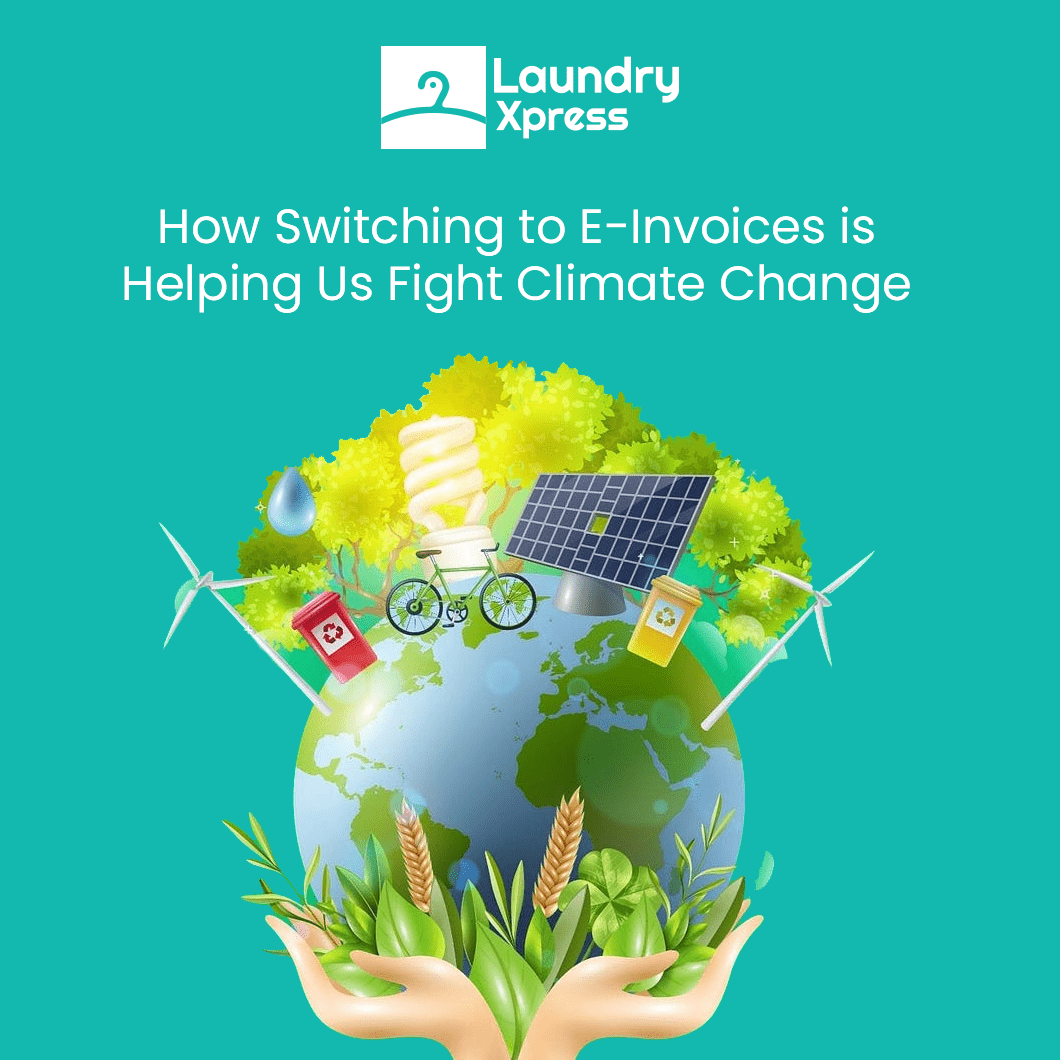
    How Switching to E-Invoices is Helping Us Fight Climate Change

    Did you know that almost 93% of paper comes from trees, and many business operations are still using paper invoices which incur hidden costs that grow with time? However, paper invoicing is expensive, high-labored and time-consuming to process. If we compare e-invoices vs paper receipts in this digital era, use of paper receipts brings a lot of drawbacks to the climatic change in the world.

    The environmental impact of paper receipts is serious and complex. Firstly, they facilitate forest destruction because the thermal paper, which is a by-product of trees, is essentially used for papermaking. This consequently brings about higher wood consumption and the depletion of unique forest habitats. Also, paper receipts add up to the abundant waste; they are mostly used for a very short time and are thrown away, with many of them reaching landfills. 

    Switching to electronic invoicing, or e-invoicing can provide us a smooth route to eco-friendly business practices which is not just cost-saving and time-saving, but also in addition to the achievement of long-term sustainability goals. 

    How E-Invoice work and its benefits

    Moving from paper-based invoices to e-invoices is one of the simplest ways for us to have a positive environmental influence. Digital invoices reduce the need for raw materials (such as paper, ink) and heavy power consumption processes and thus, they are eco-friendly, efficient, and cost-effective. This is how e-invoices help the environment, the first step is by reducing paper waste in the business sector. 

    Reducing Paper Waste in Business Operations 

    E-Invoicing is a major contributor to environmental sustainability by reducing paper waste in business. Traditional paper invoicing requires high paper consumption which leads to unnecessary waste.

    On the one hand, customers enjoy the benefits of e-invoices which include accessibility, convenience, and a simplified way to keep records that don’t require the storage or management of paper documents. As a business, e-invoices are the means through which we reduce our paper usage and we can also provide with the options of streamlined processes that will translate into time, resources, and cost savings.

    Lower carbon emissions

    As per the calculations done by experts, the flow of carbon to the environment is around 2 kg for every 1 kg of paper used. In other words, one paper invoice, which weighs 20 grams and takes into account the carbon costs of production, transportation, printing, and storage, has a carbon footprint of nearly 40 grams of CO2.

    E-invoices don’t require physical delivery, further lowering emissions that would have come from transportation and distribution. This reduction in carbon emissions aligns with climate goals and allows businesses to contribute to global sustainability efforts.

    Going green with E-Invoicing

    Implementing e-invoicing is an essential step in the commitment to climate change action in businesses. Although, by choosing a paperless option, we send a message to our employees, and customers that they are committed to environmental responsibility.

    This could be a very important cultural change to trigger the creation of other eco-friendly measures, e.g. saving energy or sourcing sustainably. However, together, we gradually create a safer earth and improve the image of our company.

    Our Commitment to Sustainability

    Our commitment to laundry service sustainability is not just through implementation of e-invoicing but it goes deeper than that. This includes implementing energy-efficient laundry practices, recycling initiatives and responsibly managing waste to minimize our carbon footprint.

    Following procedures that are more efficient and engaging in eco-friendly solutions is the path we have chosen to ensure that we respect and preserve the natural resources in all our activities. Every little move makes us closer to our primary mission of operating a greener business that benefits not only our industry but also the environment as a whole. 

    Here’s How we can Help!

    We’re all in this together, and every small step counts when it comes to protecting our environment. Here are some simple things that you as our customer can do to reduce your environmental footprint and help the world become a more sustainable place:

    Opt for Electronic Bills 

    E-bills over paper invoices contribute to the conservation of natural resources, waste reduction, and less emissions related to printing and delivering processes. Going for digital billing is the easiest way to contribute to a cleaner and sustainable climate.

    Use Eco-Friendly Products

    The choice of biodegradable, non-toxic, or sustainably sourced items for everyday use can be a good choice for you. Eco-products are usually environmentally friendly, and mostly in recyclable packaging that minimizes landfill waste.

    Choose Sustainable Laundry Services

    Go for laundry services that use energy-saving and water-conserving methods, and work on eco-friendly business practices with the use of eco-friendly detergents, and high-performance machines for each cycle which reduces environmental impact. 

    Reduce, Reuse, Recycle

    Implementation of 3 Rs, reduction, reuse, and recycling that help reduce waste and maximize resources. Recycling paper, plastic, and other materials when feasible and buying reusable products instead of single-use items is an easy yet effective way to protect the environment.

    Conclusion

    By choosing e-invoicing, you’re not only opting for a more efficient and cost-effective way of doing business but also you’re, in fact, playing a major role in the global mission to reduce waste, low-carbon emissions, and protection of your planet. At Laundry Xpress, we’re committed to sustainability, and we believe that every small change adds up to a big impact. However, we cannot achieve it on our own, we need your help to make future improvements. 


    Let’s prevent the usual grinding down of our planet and make our way toward a paperless world by going green with e-invoicing. Thus, let’s do our best to implement new and technologically advanced ways of living and doing business that are environmentally friendly. Hence, the first step would be to choose e-invoicing, which means not only you will use eco-friendly products but also you will support sustainable practices.

  • How to Handle Bleeding Clothes in a Wash: Quick Fixes

    How to Handle Bleeding Clothes in a Wash: Quick Fixes

    Many people struggle with the transfer of colors that occur with the laundry from time to time by bleeding clothes in a wash. Don’t worry if you have ended up in this situation! Let’s go through the main reasons for color spills in the wash and have some instant ideas to fix it in order to protect your clothes from destruction. 

    How to Fix Color Bleeding in Laundry?

    To fix clothes that bled, use the following remedies:

    Rewash the Clothes Immediately

    Understanding color bleeding needs an immediate response. The sooner you act, the greater chance there is to draw back the transferred color. Perform the next wash with the defective items in cold water and do this as soon as possible. Adding a color catcher (if there is one available) would be a great help to trap the rest of the dyes in the water. Do not allow clothes to rest for too long with color bleeds, as the immersion of color might be with the fibers, and thus, it will be more problematic to remove it.

    Use a Vinegar or Salt Solution

    Vinegar and salt are great natural alternatives for color transfer laundry fix. You can add 1 cup of white vinegar or half a cup of salt into 1 gallon of cold water. Soak the clothes for about thirty minutes. This will contribute to the color fixing and limit the dye’s ability to transfer. You can use this trick as a pre-wash soak for new clothes that are susceptible to color bleeding. Always make sure that the garment is thoroughly rinsed to remove any salt or vinegar residue.

    Oxygen-Based Bleach for Whites

    Since your white clothes have been colored, an oxygen-based bleach may be the remedy. This bleach is milder than chlorine bleach, thus it will not affect weak fibers or change bright colored fabrics. Mixing oxygen-based bleach with warm water can make a proper color bleeding solution that will remove the unwanted colors and make your whites brighter again without causing damage.

    Baking Soda Solution

    The use of a baking soda solution can be a gentle bleach for the light-colored or white clothes that have become colored. Combine approximately 4 tablespoons of baking soda with a gallon of cold water and soak the material for 30 to 60 minutes. The soda works wonders in removing the unnecessary dye, and regain color balance throughout the fabric. 

    Preventing Color Bleeding in Laundry

    To avoid color transfer in laundry, follow these tips before throwing everything into the wash:

    Pre-Wash Color-Test

    Test new clothes for colorfastness by dampening a white cloth and rubbing it on a hidden seam. If color transfers, it’s likely to bleed in the wash.

    Separate Colors by Type

    Sort your clothes by color to minimize unwanted bleeding clothes in a wash.  Spin darks, lights, and whites separately to prevent color bleeding mishaps.

    Use Cold Water

    Cold water helps preserve colors and reduce bleeding by keeping dyes locked into the fabric. For new or colorful clothes, a cold water wash is ideal.

    Turn Clothes Inside Out

    This small step can minimize friction on fabric surfaces, helping to keep the dye intact.
    One such simple step is to turn clothes inside out, which in turn limits friction on fabric surfaces, therefore maintaining the dye.

    Use a Color Catcher

    Color catchers are sheets designed to absorb stray dyes in the wash, making them a handy color bleeding solution for mixed loads.

    Conclusion

    While color bleeding can be a nuisance, following these steps can help you manage and prevent it with ease. With a few preventive measures and quick fixes, you can protect your clothes from color transfer and keep your laundry fresh and vibrant . Remember, the sooner you act, the better the results, so go through this guide for your next wash!