Category: Uncategorized

  • Ultimate Guide to Laundry Powder: Types, Uses, and Best Choices

    Ultimate Guide to Laundry Powder: Types, Uses, and Best Choices

    You’re about to discover the world of laundry powder. When it comes to spotless clothes and fresh-smelling fabrics, nothing beats a quality laundry powder or liquid detergent. At Laundry Xpress, we believe that choosing the right detergent is key to maintaining fabric quality and achieving professional-level cleaning results at home. Despite the popularity of liquid and pod detergents, powder laundry detergent remains one of the most effective and economical solutions for daily washing.

    Types of Laundry Powder

    When selecting a laundry powder, consider your washing machine type, as some powders are tailored for front-load or top-load machines. Here are the most common types:

    1. Biological Laundry Powder

    This type contains enzymes that break down protein-based stains like sweat, blood, or food. It’s excellent for everyday clothes and activewear.

    2. Non-Biological Laundry Powder

    Free from enzymes, non-bio powder laundry detergent is gentler on skin and fabrics. It’s especially suitable for baby clothes or people with allergies.

    3. Oxygen-Based Laundry Powder

    This variant uses oxygen bleach to brighten whites and remove tough stains without damaging fabrics. It’s often labeled as “color-safe bleach.”

    4. Eco-Friendly Laundry Powder

    Made from natural surfactants and biodegradable ingredients, these are great for environmentally conscious consumers. By opting for eco-friendly laundry powder, you’re reducing your carbon footprint and contributing to a more sustainable future.

    5. Homemade Powder Laundry

    DIY enthusiasts often create homemade powder laundry using simple ingredients like washing soda, borax, and grated soap. This not only cuts costs but also lets you control what goes into your detergent.

    By considering these factors, you can pick the right laundry powder for your needs.

    This helps you get the best cleaning results and extends the life of your clothes.

    Benefits of Using Laundry Powder

    As you switch to laundry powder, it becomes clear that this type of detergent offers several advantages over other forms:

    • Laundry powder is often more cost-effective than liquid detergents, and it’s also more environmentally friendly due to its lower water content.
    • You can store it easily, and it takes up less space in your laundry room.
    • Laundry powder is also a great option for those with sensitive skin, as it’s often gentler on clothes and skin.
    • Laundry powder can help reduce static cling and leave a fresh scent on your clothes.
    • Unlike liquid detergent, it doesn’t expire quickly or degrade over time.

    How to Use Laundry Powder Effectively

    Using powder laundry detergent correctly ensures the best cleaning results and protects your washing machine. Here’s how:

    1. Measure Properly

    Use the recommended amount on the package, too little can leave clothes dirty, while too much may leave residue.

    1. Add to the Right Compartment

    Place the laundry powder in the detergent drawer or directly in the drum for top-load machines.

    1. Pre-Dissolve for Cold Washes

     If washing with cold water, dissolve the powder in warm water first to avoid residue.

    1. Separate Whites and Colors:

    This prevents color bleeding and keeps fabrics bright and fresh.

    1. Store in a Dry Place:

    Keep the detergent laundry powder sealed tightly to prevent clumping and loss of effectiveness.

    From removing stubborn stains to caring for sensitive skin, powder laundry detergent remains a powerful, budget-friendly, and eco-conscious cleaning solution. You’ve learned about laundry powder types, uses, and benefits. Now, you can choose the best powder laundry detergent for your needs, considering your skin and fabric types. By selecting a suitable laundry powder, you’ll get cleaner clothes and a clearer conscience, knowing you’re using a cost-effective and environmentally friendly option that works for you.

    Frequently Asked Questions

    1- Can I Make My Own Laundry Powder?

    You can make your own laundry powder by mixing washing soda, borax, and soap, creating a customized and cost-effective solution that you’ll control and use regularly at home easily.

    2- Can I Use Laundry Powder in Cold Water?

    You can use laundry powder in cold water, it’s usually effective, but you’re checking the label to ensure it’s designed for cold water use, or it won’t dissolve properly.

    3- Is Laundry Powder Suitable for Hand Washing?

    Yes, you can use laundry powder for hand washing, but you’re usually mixing it with more water, and it’s gentler on clothes when you’re dissolving it properly first.

  • Laundry Detergent Allergy Rash: Symptoms, Causes, and Effective Treatments

    Laundry Detergent Allergy Rash: Symptoms, Causes, and Effective Treatments

    Laundry detergent is a must-have household product used to wash clothes and remove stains from them. Unfortunately, for many people, it also causes skin irritation. A rash from laundry detergent allergy is the most frequent problem in cases of sensitive people, as it is the protective barrier of the skin that is affected. 

    Common Symptoms of a Laundry Detergent Allergy Rash

    Skin usually itches and becomes red and inflamed as a result of this kind of allergy, thus making it unbearable. The skin rash can occur either immediately following coming into contact with clothes washed with the offending detergent or it can also appear gradually over time with more exposures. Some people might have only a slight rash whereas others could have more severe symptoms including broken skin or blisters.

    Other Signs of Laundry Detergent Allergies

    Instead of the common symptoms of itching, rashes due to the use of the inappropriate laundry detergent can result in other indications that are also not very pleasant. Skin dryness and shedding are typical findings that come up when the skin is really doing. These rashes might manifest as small red eruptions or raised areas that resemble hives. In the case with a bad or severe allergy, the swelling can be around the eyes or the mouth. 

    Understanding the Causes of Laundry Detergent Allergy Rash

    Understanding the root causes of a laundry detergent allergy rash is key to finding effective treatments and avoiding future outbreaks. Several chemicals commonly found in detergents can trigger allergic reactions in individuals with sensitive skin.

    Fragrances: A Common Trigger

    One of the most significant contributors is fragrances. While many people enjoy a freshly-scented laundry load, artificial fragrances used in detergents are often the reason behind allergic rashes. These fragrances are created using synthetic chemicals that can irritate the skin, leading to redness and itching.

    Dyes and Their Impact on Skin Sensitivity

    Another common cause of allergic reactions in laundry detergents is dyes. Bright-colored detergents often contain artificial dyes to give them a visually appealing hue. However, these dyes can cause skin irritation in people who are sensitive to them.

    Preservatives and Their Role in Allergic Reactions

    Similarly, preservatives are included in detergents to prolong their shelf life. While preservatives are crucial for preventing bacterial growth and mold, they can also trigger allergic reactions. The most notorious of these preservatives is methylisothiazolinone, which has been linked to allergic reactions in sensitive individuals.

    Surfactants: Cleaning Agents That Can Cause Irritation

    Additionally, surfactants, which are the cleaning agents in detergents responsible for breaking down stains, can irritate the skin. These chemicals are necessary for cleaning, but they can strip the skin of its natural oils, leading to dryness, itching, and inflammation.

    Identifying the Specific Ingredient Causing the Allergy

    Many commercial laundry detergents contain a mix of these chemicals, and repeated exposure can result in allergic sensitivity over time. For those who experience allergic reactions, identifying the specific ingredient causing the issue is crucial. Many people are unaware of which ingredient is triggering their symptoms, so it’s helpful to read product labels and opt for detergents that are free of fragrances, dyes, and preservatives when possible.

    Immediate Steps for Treating a Laundry Detergent Allergy Rash

    It can be quite irritating to have an allergy rash to the laundry detergent, but the remedies are very efficient and can provide a substantial relief to the patients. In case you have got a rash by being exposed to a particular detergent, the immediate measures can help with the severity of the reaction and its symptoms as well as the relief on them.

    Conducting the Affected Area Cleaning

    The very first thing to do is to clean the affected area thoroughly with lukewarm water and a mild soap to avoid the chemical substances of the rash. Then the problem becomes clear that using hot water should be avoided as it can only exacerbate the rash and increase the pain. Instead of rubbing, try to pat gently the dry area with a soft towel, as not rubbing can further irritate the skin.

    Seeking Medical Attention for Severe Reactions

    For individuals with more severe rashes or reactions, seeking medical attention may be necessary. A doctor may recommend prescription-strength corticosteroids or other treatments to help manage the symptoms. In cases where the rash doesn’t subside with standard treatments, the doctor may also conduct tests to determine if the allergic reaction is linked to other substances beyond detergent.

    Avoid Scratching to Prevent Further Irritation

    Another essential tip is to avoid scratching the rash, as this can lead to further irritation or even infection. If the rash worsens or blisters, it’s important to consult a healthcare professional promptly.

    Choosing the Right Detergent to Prevent Allergic Reactions

    Prevention is key when it comes to managing laundry detergent allergies. The best way to avoid allergic reactions is to choose the right detergent. For individuals with sensitive skin, it’s advisable to select hypoallergenic detergents, which are free from harsh chemicals such as fragrances, dyes, and preservatives. These detergents are specially formulated for people with allergies or skin sensitivities and can help reduce the risk of a rash.

    Performing a Patch Test Before Use

    When switching to a new detergent, it’s a good idea to perform a patch test. Before using a new detergent on all your laundry, test it on a small section of your skin to see if any allergic reactions occur. Apply a small amount of diluted detergent to an inconspicuous area of skin, such as your wrist, and wait 24 hours to see if any irritation develops. This is a simple way to determine if the detergent is safe for you.

    Considering Natural or Plant-Based Detergents

    Additionally, for those with very sensitive skin, natural or plant-based detergents might be a good alternative. These products typically contain fewer chemicals and often use organic ingredients, which are less likely to irritate the skin. DIY laundry detergents made from simple, natural ingredients like baking soda, vinegar, and castile soap can also be a safe option for those looking to avoid chemicals entirely.

    Ensuring Thorough Rinsing of Clothes

    Lastly, washing your clothes thoroughly after using detergent can help minimize exposure to residual chemicals. Consider running an extra rinse cycle to ensure that no detergent residue is left on your clothes. This is especially important if you have sensitive skin, as even trace amounts of detergent can cause irritation.

    When to Seek Professional Medical Help

    • If the rash persists for more than a few days despite using over-the-counter treatments.
    • If the rash worsens or spreads rapidly.
    • If the rash causes blisters or severe swelling.
    • If the rash is accompanied by symptoms like difficulty breathing, swelling of the throat, or dizziness, seek emergency medical care immediately.

    What to Expect from a Dermatologist

    • A dermatologist can prescribe stronger medications if needed.
    • Allergy testing may be conducted to determine the exact cause of the reaction.
    • They can recommend appropriate treatments, including prescription creams, oral antihistamines, or corticosteroids to reduce inflammation.

    Having a skin rash caused by a reaction to a laundry detergent is a very annoying thing and it could make many people feel very frustrated; but having the necessary information and giving the best care available can totally ease the irritation and keep the skin healthy and irritation-free. Having the knowledge about the symptoms, knowing the causes, and being aware of the treatment and the preventive measures are essential tips for keeping away the problems that can irritate the skin. If you have sensitive skin, go for hypoallergenic or natural detergents, and, when using new products, make sure to do a patch test.

    At Laundry Xpress, we prioritize the comfort and safety of our customers. That’s why we use skin-friendly, hypoallergenic detergents upon request to ensure your clothes are not only clean but also safe for sensitive skin.

    FAQs

    1- What does a laundry detergent allergy rash look like?

    It appears as red, itchy patches, small bumps, or hives, often on areas where clothes touch the skin.

    2- How long does a detergent allergy rash last?

    Mild rashes clear in a few days; severe ones can last up to a week. See a doctor if it doesn’t improve.

    3- What is the best type of laundry detergent for sensitive skin?

    Fragrance-free, dye-free, and hypoallergenic detergents are best. Natural, plant-based options are also safer.

    4- When should I see a doctor for a laundry detergent rash?

    If it lasts more than a few days, spreads, blisters, or you have trouble breathing — seek medical care immediately.

  • Quick Relief for Detergent Rashes: Easy Home Treatments That Work

    Quick Relief for Detergent Rashes: Easy Home Treatments That Work

    People usually experience detergent rashes, as the skin is exposed to dangerous chemicals contained in the laundry. These rashes usually lead to redness, itching, swelling, and general discomfort. It is important to start the treatment immediately so that the symptoms can relieve and the occurrence of problems can be avoided. Luckily, a few home remedies are very helpful and can give quick and long-lasting relief to the people with mild to moderate cases.

    Understanding Detergent Rashes

    What Are Detergent Rashes?

    Detergent rashes are a form of contact dermatitis triggered by exposure to irritants or allergens found in laundry products. These rashes often appear where clothing fits tightly, such as the armpits, waistband, or neck.

    Common Symptoms and Skin Reactions

    Symptoms may include:

    • Red, inflamed skin
    • Itching or burning sensations
    • Blisters or dry patches
    • Peeling or flaking

    First Steps to Take When a Rash Appears

    Discontinue Use of Suspected Detergent

    Quit using the product you suspect to be the cause right away. By doing so, you prevent the rash from getting worse, and it is the first stage of the healing process. If the laundry detergent has a particularly bad odor, it is better to go with a product that is natural and has a mild fragrance.

    Rinse Affected Skin Gently

    When you are rinsing the skin, you should use cold water and soap that is gentle and free of fragrance. In order to avoid inflammation, it is recommended that you stay off the hot water.

    Switch to Hypoallergenic Options

    The best way to take care of your skin is to go for a hypoallergenic laundry detergent that is fragrance-free and made of a plant-based composition. This kind of detergent is gentle on your skin and will not cause the irritation that others might produce. 

    Best Immediate Relief Options

    Cool Compress Application

    Take a damp, cool cloth and place it on the area of skin with the rash. Leave it for 15 minutes. This will make you less itchy and the swelling will go down faster.

    Oatmeal Bath Soaks

    Oatmeal paste has the characteristic of being anti-inflammation. Similarly, besides its anti-oxidative properties, the fiber content is again effective for skin rejuvenation. Thus, warm baths including oatmeal might effectively alleviate skin discomfort and enhance the regeneration of the epidermis.

    Aloe Vera Gel Use

    Pure aloe vera gel soothes redness and provides a cooling effect. Use gel directly from the plant or buy fragrance-free, 100% aloe vera gel.

    Natural Home Remedies that Work

    Moisturizing with Coconut Oil

    Coconut oil is a natural moisturizing agent that can not only provide immediate relief but also accelerate your recovery process. Use a bit of the product on your clean and dry skin to let the natural process heal.

    Vinegar Water Solution

    First of all, dilute apple cider vinegar with an equal amount of water, then gently apply the solution to your skin using a cotton ball. The skin pH is neutralized, and the growth of bacteria is inhibited by this product.

    Baking Soda and Water 

    Create a paste by mixing baking soda and water together. Dab the paste on the affected area, and you will feel the acids neutralized and the itching will be gone.

    What Not to Do When You Have a Detergent Rash

    Avoid Scratching

    Scratching worsens the rash and increases the risk of infection. Keep nails trimmed and wear soft clothing.

    Don’t Apply Random Creams

    Avoid unverified treatments that may contain irritating ingredients. Always read product labels.

    No Harsh Scrubbing or Hot Water

    Hot water and abrasive cloths strip protective oils and aggravate the rash further.

    Detergent rashes can be distressing, but with the right home remedies and preventive measures, they are usually easy to treat and avoid. Identify the irritant, soothe your skin with natural solutions, and switch to safer laundry practices. By acting quickly and using the right treatments, you can protect your skin and prevent future flare-ups.

    For lasting peace of mind, consider professional laundry solutions like Laundry Xpress, which uses skin-safe, hypoallergenic products and careful washing methods to help prevent detergent-related skin issues before they start.

    FAQs

    1- How long does a detergent rash last?

    Most rashes resolve within a few days to a week if the irritant is removed and proper care is taken.

    2- Can natural detergents still cause rashes?

    Yes. Even plant-based or “natural” detergents can contain allergens or irritating ingredients for some people.

    3- Should I rewash my clothes if I get a rash?

    Yes. Rewash all garments using a gentle, fragrance-free detergent and an extra rinse cycle to remove any residual irritants.

    4- Is it safe to use steroid creams?

    Mild over-the-counter steroid creams like 1% hydrocortisone are generally safe for short-term use. Avoid long-term use without medical supervision.

    5- Are detergent rashes contagious?

    No. Detergent rashes are not contagious and cannot be spread through contact.

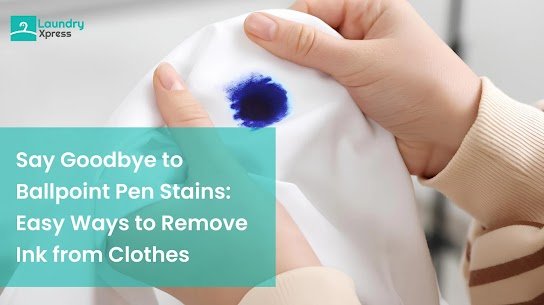
  • Say Goodbye to Ballpoint Pen Stains: Easy Ways to Remove Ink from Clothes

    Say Goodbye to Ballpoint Pen Stains: Easy Ways to Remove Ink from Clothes

    It’s that crazy part of the day when you catch sight of a pen mark and it just happens to be on your best shirt. Sound familiar? If yes, be sure, you are not alone. The question of ink stains is categorically one of those stubborn stains that seem to come out of nowhere. Never mind. The thing is that you just can’t throw it away as it’s not the end of your outfit.

    Ink Type Matters: Which Ink Are You Dealing With?

    Not all ink stains are the same. The remedial technique depends on the type of ink that has affected the piece of clothing. Are you familiar with the type of ink that your clothes have on them? Let’s do it very quickly.

    • Ballpoint Pen Ink

    The most usual suspect — these are the ones that are thick, oil-based, and fast-dried. They are still difficult, but the right products can help.

    Why It’s Difficult to Remove

    • Oil-based pigments are not water-soluble.
    • The ink dries fast and can harden within fabric fibers.
    • Heat (from a dryer or hot water) can permanently set the stain.

    Removal Methods:

    • Blot gently with a clean, dry cloth.
    • Apply rubbing alcohol to a cotton swab and dab the stained area.
    • Avoid scrubbing, which can spread the ink.
    • Rinse thoroughly with cold water.
    • Use milk soak or hairspray containing alcohol as alternative methods.
    • Always test treatments on a hidden area first.

    Precaution

    Avoid using hot water, as heat can cause the oil-based ink pigments to bond permanently with fabric fibers, making them much harder to remove.

    • Gel Ink

    Though water-based and less obstinate than ball pen ink, they can still spoil the fabric when they stay for too long.

    Why It’s Moderately Difficult to Remove:

    • Although it’s water-based, the high pigment load can stain fabrics quickly.
    • It spreads easily when wet and can leave residue if not treated promptly.
    • Can be partially set with heat if accidentally machine dried before treatment.

    Removal Methods:

    • Immediately blot the ink gently using a clean, dry cloth or paper towel.
    • Rinse the stain under cold running water from the back to flush out as much ink as possible.
    • Soak the fabric in cold water with a few drops of liquid detergent for 20–30 minutes.
    • Gently rub the fabric against itself to loosen the ink.
    • Rinse again with cold water.
    • If a stain remains, apply rubbing alcohol using a cotton swab, blotting gently until the ink lifts.
    • Rinse thoroughly and air dry.

    Precaution:

    Avoid hot water and direct heat sources until the stain is completely gone. Always test alcohol or other solvents on a hidden section of the garment first.

    • Fountain Pen or Printer Ink

    Mostly dye-based and more soluble, making it a bit easier to treat if caught early.

    Why It’s Easier to Remove:

    • Water-based ink dissolves more readily in cold water.
    • Pigments are less adhesive than oil-based alternatives.
    • Fresh stains lift more easily with gentle blotting and rinsing.

    Removal Methods:

    • Immediately blot the excess ink with a clean, white cloth or paper towel.
    • Rinse the fabric under cold running water, from the back of the stain to flush out the ink.
    • Soak in a mixture of mild detergent and cold water for 15-30 minutes.
    • If needed, apply a paste of lemon juice and baking soda to stubborn areas.
    • Rinse thoroughly and air dry.

    Precaution:

    Avoid hot water and test any cleaning agent on the affected part of the fabric.

    How to Prevent Ink Stains

    To prevent ink stains is much better than trying to get rid of them. 

    • Always put pen caps on tightly. 
    • Never let a pen be near your clothes or fabrics.
    • Keep ink bottles and pens in vertical, closed containers.
    • Buy pens that are leak-proof.
    • Deal with new stains as early as possible.

    Ink stains might be one of those little daily disasters we all face, but they don’t have to ruin your favorite clothes. As you’ve seen in this guide, acting fast, knowing your ink type, and using the right method can make all the difference. From rubbing alcohol and lemon paste to a simple soak in milk, you now have a full toolkit of clever solutions at your fingertips.

    If you’re dealing with a particularly tough ink stain or just don’t want to risk it on a delicate garment, remember Laundry Xpress is here to help. You can reach us anytime for expert advice, a quick pick-up, or professional cleaning services designed to save your precious clothes.

  • The Visual Language of Laundry: What Those Icons Really Mean

    The Visual Language of Laundry: What Those Icons Really Mean

    Laundry day should not be like a puzzle which no one can solve, yet honestly, sometimes the tiny symbols on clothing tags are just Greek to us, aren’t they? These care tags are actually a universally accepted visual language that helps you understand how to clean, dry and care for your clothes. Here, we have a guide that highlights the most popular unlabeled icons used in the laundry and the real interpretations for those in 2025.

    Why Laundry Symbols Matter

    Laundry Symbols are more than just suggestions; they help you maintain your clothes’ integrity, avoid shrinkage, preserve color, and extend the garment’s lifespan. Misreading one tiny symbol could mean turning your favorite wool sweater into a doll-sized relic.

    Understanding Washing Symbols

    Tub Icon

    • Plain tub: Machine washable.
    • Tub with a hand: Hand wash only.
    • Tub with a number (e.g, 30°, 40°): Max washing temperature in Celsius.

    Agitation Lines

    • No line: Normal cycle.
    • One line: Permanent press.
    • Two lines: Gentle/delicate cycle.

    Crossed-out Tub

    • Do not wash. Dry clean or spot clean only.

    One of the most iconic laundry care symbols is the washing symbol, usually designed as a washtub. This symbol is very important for making sure you don’t shrink, fade, or wreck the garments. The different (design) options represented by this symbol point out how the clothes should be washed exactly.

    One horizontal line on the washtub indicates that the garment should be washed in a permanent press cycle which is set to reduce wrinkles. Two lines beneath the tub means that the item of clothing should be washed using a gentle or delicate cycle, which is the best for the very delicate fabric. The white washtub having a “X” sign on it shows that the item must not be washed in the washing machine at all. Instead, other means of washing like by hand or dry cleaning should be used. A human hand in the washtub is a definite hand-wash only sign on the clothing.

    Understanding Bleaching Symbols

    Triangle Icons

    • Empty triangle: Bleach allowed.
    • Triangle with two lines: Non-chlorine bleach only.
    • Crossed-out triangle: Do not bleach.

    Triangle-shaped figures are used to indicate the instructions for bleaching, and in this way, they become a means to decide on the use of bleach and its type. Besides, bleach is a very effective disinfectant and cleaning agent for your laundry when used correctly. 

    A blank triangle means that you may use any kind of bleach. In a triangle with two diagonal lines, only oxygen bleach (non-chlorine bleach) can be used; it is the recommended one. Such bleaches are mild and will not eliminate the color from the fabric. If you have a solid, triangle-shaped figure which is crossed out with a line, do not bleach the garment at all because you may damage the fibers.

    Understanding Drying Symbols

    Square with a Circle (Tumble Dry)

    • One dot: Low heat.
    • Two dots: Medium heat.
    • Three dots: High heat.
    • Crossed out: Do not tumble dry.

    Lines Inside a Square

    • One horizontal line: Dry flat.
    • Three vertical lines: Drip dry.
    • One curved line: Line dry (hang to dry).

    The next step in the washing process is the drying stage, which is also very important. The wrong drying method can cause the fabric to shrink or become brittle. The square of the washing label carries the drying instructions and is accompanied in some cases with a circle and one or more lines inside. 

    If the square is printed with a circle, it signifies that machine drying is possible. The dots of the black color within the circle indicate the heat level: one spot means low temperature, two dots represent medium temperature, and three dots indicate high temperature. A cross inside a circle shows that you should not dry the piece in a dryer.

    Understanding Ironing Symbols

    Iron Icon

    • One dot: Cool iron.
    • Two dots: Warm iron.
    • Three dots: Hot iron.
    • Crossed out: Do not iron.
    • Iron with X-shaped steam lines: Do not steam.

    When it comes to ironing, the symbol is easy to recognize—an icon resembling an iron. The number of black dots inside this icon signals the heat level the fabric can handle: one dot for cool settings, two for medium heat, and three for high heat. A crossed-out iron means you should avoid ironing altogether, which is typical for delicate fabrics like nylon. If you see an iron with crossed-out steam lines, it means the item shouldn’t be steamed, even if it can handle dry heat.

    Understanding Dry Cleaning Symbols

    Some fabrics, such as wool, silk, suede, and leather, are sensitive to water and are best handled through professional dry cleaning. The key symbols to watch for are a plain circle and a circle with an X. A plain circle signifies that the garment should be dry-cleaned, while a circle with an X warns that the item should not undergo dry cleaning, likely due to its adverse reaction to chemical solvents. In such cases, consider spot cleaning or washing at home using a gentle, fabric-safe method.

    If you don’t want to ruin your clothes, have a clear understanding of the visual symbols. If you are still conscious about your garments, avail the services from Laundry Xpress as they will serve you without any hassle.

  • How to Read Washing Icons Without Losing Your Mind

    How to Read Washing Icons Without Losing Your Mind

    There may be foreign symbols that you see on the labels of clothes hanging in the closet that look like they are an alien language, but these symbols are the ones that enable you to keep your clothes new and last longer. These are the icons of washing that show you how to wash, dry, bleach, and iron your clothes without the need for guesswork. Following the manufacturer’s instructions properly—from temperature settings to wash cycles—guarantees very clean results and also avoids shrinkage, fading, and fabric damage. Decode things well, and your wardrobe will pay a tribute to you!

    Why Laundry Symbols Matter: The Key to Long-Lasting Clothes

    1. Protects Your Clothes Quality

    Washing your clothes improperly will likely result in color fading, loosened textiles, and pilling. The laundry symbols will direct you to the right water temperature, wash cycle, and drying method, making your clothes stay fresh, vibrant, and last longer.

    2. Saves You Money

    Contrary to fixed laundry blunders, you may have to buy clothes more often when they get damaged. Through careful reading the care labels, you are really increasing the life of your clothes and preventing the requirement for buying unnecessary clothing.

    3. Reduces Environmental Impact

    Washing clothes at the wrong temperature or overusing detergent wastes water and energy. By sticking to the recommended wash and dry settings, you reduce your carbon footprint and contribute to a more sustainable fashion industry.

    4. Saves Time and Effort

    Imagine washing something incorrectly and then having to deal with shrinkage, stains, or fabric damage. By following laundry symbols, you get it right the first time—no re-washing, no extra work!

    The Basics: Why Do Washing Icons Exist?

    Washing icons are the universal laundry symbols that are commonly found on the clothing care labels. Why are they the main aim? They actually let you know precisely how to wash, sage, and iron your clothes thus saving their life and lasting for a long time.

    • The bucket of water tells you how to wash your garment.
    • The square with a circle shows you how to dry it.
    • The triangle gives bleaching instructions.
    • The plain circle indicates dry cleaning recommendations.
    • The iron symbol lets you know if (and how) you can iron the fabric.

    1. Washing Symbols

    The washing icon is usually a bucket filled with water.

    • Plain Bucket – Machine wash allowed.
    • Bucket with Hand – Hand wash only.
    • Bucket with Temperature (30°C, 40°C, 60°C) – Wash at this temperature.
    • Bucket with Two Lines Underneath – Use a delicate cycle.
    • Bucket with an X – Do not wash (Dry clean only).

    2. Drying Symbols

    The drying icon is a square with a circle inside.

    • Plain Square with Circle – Tumble dry allowed.
    • One Dot Inside Circle – Low heat drying.
    • Two Dots Inside Circle – Medium heat drying.
    • Three Dots Inside Circle – High heat drying.
    • Square with Horizontal Line – Lay flat to dry.
    • Square with an X Over the Circle – Do NOT tumble dry!

    3. Bleaching Symbols

    The bleaching icon is a triangle.

    • Plain Triangle – Bleach is safe to use.
    • Triangle with Two Lines – Only non-chlorine bleach is allowed.
    • Triangle with an X – Do NOT bleach!

    4. Ironing Symbols

    The ironing icon is a small iron shape.

    • One Dot Inside Iron – Low heat ironing.
    • Two Dots Inside Iron – Medium heat ironing.
    • Three Dots Inside Iron – High heat ironing.
    • Iron with Steam Coming Out – Steam ironing is okay.
    • Iron with an X Over It – Do NOT iron!

    5. Dry Cleaning Symbols

    Dry cleaning symbols are represented by a circle.

    • Plain Circle – Dry clean only.
    • Circle with an X – Do NOT dry clean.
    • Circle with Letter “P” – Use any solvent except trichloroethylene.
    • Circle with Letter “F” – Petroleum solvent only.

    Let’s be honest—learning how to decode laundry symbols is not the most fun thing in the world. But now you know how to read them like a pro, you will be free of the shrunken sweaters, and the fading colors and the torn fabrics! Through the right washing, drying, and ironing techniques, your clothes will be preserved long and enjoy the best possible look of them. This means you are making the best use of your resources and therefore staying away from a lot of anxieties, irritations, and discontents. 

    But here’s the thing: life is too short to stress over laundry! If you’d rather spend your time doing things you actually enjoy, Laundry Xpress has got you covered. We take the guesswork out of washing and provide top-quality laundry services—so you never have to worry about care labels again.

  • How to Freshen Up Clothes Without Washing: Smart Hacks

    How to Freshen Up Clothes Without Washing: Smart Hacks

    Did you ever pick up a shirt, quickly smell it, and wish it smelled fresher than it was—but you didn’t have time for laundry? Whether you are on a trip, in a rush, or just wanting to wash less, knowing how to make clothes fresh without washing can be a game-changer. From DIY fabric sprays to freezing your clothes, there are several simple yet efficient ways to refresh them without washing them. These techniques will not only save you time but also help preserve the quality of your garments while being eco-friendly.

    Why Avoid Washing?

    Preserving Fabric Quality

    Washing clothes on a regular basis may result in premature wear and tear, faded out colors, and shrinking over time. Some fabrics plus wool and silk are particularly liable to be damaged by excessive washing and may consequently be deprived of their softness and strength.

    Saves Water and Energy

    Cutting down on laundry loads will save water and energy and make you more environmentally friendly. Besides that, washing clothes more frequently will also mean we would waste our time, plus the difficulty for those who have no opportunity to wash, dry, and iron their clothes instantly after one use.

    Maintains the Fabric’s Natural Texture

    Over-washing may result in the absence of the original fibers and thus becoming rough or out of shape. Instead of tossing garments into the laundry basket after every use, trying alternative methods to keep them fresh can extend their lifespan and maintain their original feel and look.

    Use a Fabric Spray or DIY Freshener

    Why Use Fabric Fresheners?

    A quick burst of fabric refreshers can directly remove smells and impart pleasant odor to your outfit. Many store-bought sprays work effectively, but you can also create a natural and cost-effective version at home.

    Combining a distilled water cup and a baking soda tablespoon with several drops of mainly lavender, lemon, and eucalyptus oil will produce a good odor neutralizer. Spraying this lightly on your clothes helps eliminate unwanted odors while leaving behind a pleasant scent. 

    Steam Clothes for a Fresh Boost

    Use Steam to Remove Odors

    Steam is a natural deodorizer and can impeccably manage the wrinkled condition of your clothes and also get rid of stubborn stains. To some extent, the easy approach to it can be done by placing your clothes in the bathroom and taking a hot shower. The steam vaporized by the shower contributes to reducing the strains on the fabric fibers and thus wrinkling and removing the bad odors.

    Using a Garment Steamer

    For an even more effective solution, using a garment steamer can instantly refresh clothes and kill bacteria that cause bad smells. Holding the steamer a few inches away from the fabric and moving it gently across the surface allows the steam to penetrate and eliminate odors. If you don’t own a steamer, you can achieve similar results by holding your clothing above the steam from a boiling kettle.

    Freeze Clothes to Kill Odors

    How Freezing Eliminates Odors

    Have you ever considered using your freezer as a secret weapon against smelly clothes? It may sound strange, but freezing your garments is an incredibly effective way to kill odor-causing bacteria without washing them. If you’re short on time or just want to avoid unnecessary laundry, this trick will leave your clothes smelling fresh and feeling clean in no time!

    Best Items for Freezing

    This method works especially well for jeans, jackets, and sweaters that do not require frequent washing but tend to trap odors. For an added burst of freshness, placing a dryer sheet inside the bag before freezing clothes can infuse them with a light scent.

    Use Baking Soda to Absorb Odors

    Why Baking Soda Works

    Baking soda is a powerful natural deodorizer that absorbs moisture and odors from clothing.

    How to Use Baking Soda on Clothes

    Sprinkling a thin layer of baking soda over garments and letting it sit for about 30 minutes allows it to absorb unwanted smells. Afterward, simply shake off the excess powder or use a brush to remove any remaining residue.

    Tumble Clothes with Dryer Sheets or Wool Balls

    How Tumble Drying Refreshes Clothes

    A quick tumble in the dryer is a great way to freshen up clothes without washing them.

    How to Use Dryer Sheets

    Tossing clothes into the dryer with a couple of dryer sheets or wool dryer balls infused with essential oils helps remove odors while making garments smell fresh and clean. Running the dryer on a low heat setting for about 10 to 15 minutes can also help loosen fabric fibers, reducing wrinkles.

    Alternative Without a Dryer

    If you don’t have a dryer, using a hairdryer on a low heat setting to target specific areas of the garment can achieve similar results. This method is ideal for casual wear, sweaters, and t-shirts that just need a quick refresh.

    Hang Clothes Outside for Natural Freshness

    Why Fresh Air Works

    Nothing beats the freshness of air-dried clothes. Hanging garments outside on a clothesline or balcony allows them to naturally ventilate while sunlight works as a natural disinfectant, eliminating bacteria and odors.

    Best Practices for Outdoor Drying

    Sunlight exposure is particularly effective for cotton and wool fabrics, but dark-colored clothes should be placed in the shade to prevent fading. Even leaving clothes near an open window indoors can help air them out and remove unwanted smells.

    Use Activated Charcoal and Coffee Grounds for Odor Control

    How Natural Absorbers Help

    Both activated charcoal and coffee grounds are excellent at absorbing odors.

    Using Coffee Grounds for Odor Neutralization

    Placing a bowl of unused coffee grounds inside your closet or drawers helps neutralize bad smells while leaving behind a mild, earthy scent.

    Activated Charcoal for Fresh Clothing Storage

    Activated charcoal sachets also work well for odor absorption, especially in small storage spaces where clothes are packed tightly. These natural deodorizers prevent fabrics from developing unpleasant smells, making them particularly useful for long-term storage of seasonal clothing.

    But let’s be real—sometimes, your clothes need more than a quick refresh. When that happens, why not leave the laundry to the experts? Laundry Xpress offers professional services that take the hassle out of washing, so you can focus on what really matters. The next time you’re short on time, let Laundry Xpress handle the dirty work while you enjoy clean, fresh-smelling clothes—effortlessly!

  • Why Regular Laundry Service is Worth the Investment for Busy Professionals?

    Why Regular Laundry Service is Worth the Investment for Busy Professionals?

    Through the hustle and bustle of everyday life, dedicated individuals find themselves exhausted by the long hours, numerous meetings, tight deadlines and very little free time. You may eventually run out of strength due to the struggle to keep the balance of work, personal life, and household chores, which can be overwhelming, and one of the most time-consuming household tasks is laundry.

    Imagine reclaiming 6–10 hours a month that you currently spend sorting, washing, drying, and folding clothes. Wouldn’t you rather spend that time focusing on your career, enjoying a hobby, or relaxing with family?

    Laundry for a modern, fast-paced generation gains a major-role by serving the customers in their professional and personal life. In this blog, we will learn about five reasons why you should use laundry services,why professionals should consider professional laundry service benefits, and how the convenience of laundry delivery makes life easier.

    The Struggles of Managing Laundry as a Busy Professional

    Time-Consuming Chore

    Laundry is a multi-step process – sorting out, washing, drying, ironing, folding, and putting clothes away are all included in the process. On average, it takes 1.5-2 hours per load from start to finish. This is the true cost of time that busy individuals invest in laundry if done at home. These working professionals end up with a considerable amount of relaxation time in a week.

    Risk of Laundry Mistakes

    Not everyone is a pro in washing clothes. The most common laundry mistakes are as follows:

    • Shrinking of favorite suits resulting from inappropriate water temperatures.
    • Fading or bleeding of colors that damage expensive clothes.
    • Impossible-to-remove stains are the main problem experienced in home washing.

    Work-Life Imbalance

    With limited hours in a day, the bulk of professionals find it hard to carry out their home tasks. Laundry is usually the first thing to get delayed, leading to pile-ups of dirty clothes and stress.

    With the advent of on-demand laundry services, office workers can freely let go of their concerns about dirty laundry. Here’s how it works:

    • Schedule a pickup – Select a time that suits you for a laundry service to take your clothes away.
    • Professional cleaning & care– Experts wash, dry, iron, and fold your clothes.
    • Delivery to your doorstep – Your fresh, clean clothes will be returned, generally in 2-3 days, sometimes less.

    This seamless process saves time, effort, and stress, making laundry service for busy people a perfect solution.

    Key Benefits of Laundry Services for Professionals

    Time-Saving Efficiency

    One of the biggest professional laundry service benefits is time-saving. By outsourcing laundry, professionals can:

    • Reclaim 6–10 hours per month for more productive activities.
    • Avoid wasting weekends or late nights doing household chores.

    High-Quality Cleaning and Fabric Care

    Laundry professionals use:

    • Best detergents that maintain fabric quality.
    • Stain removal techniques to restore clothes to like-new condition.
    • Proper washing methods for delicate or luxury fabrics.

    Cost-Effectiveness Over Time

    While some people hesitate about spending money on laundry service for busy people, it actually saves costs in the long run:

    • Lower electricity & water bills—no need to run your washer and dryer.
    • Fewer clothing replacements—professional cleaning extends garment lifespan.
    • Reduced detergent expenses—no need to stock up on multiple products.

    Stress Reduction and Better Work-Life Balance

    Imagine coming home to clean, neatly folded laundry without lifting a finger. A professional laundry service:

    • Reduces home clutter (no piles of dirty clothes).
    • Saves mental energy, letting you focus on what truly matters.

    Choose the Best Laundry Service

    Selecting the ideal laundry service requires more than just picking the first option that appears in a search result. With the right approach, you can ensure that your clothes receive the best care while saving time and effort. Whether you need standard washing and ironing or specialized care for delicate fabrics, finding the perfect laundry service starts with evaluating your specific requirements and expectations.

    Identify Your Laundry Needs

    Laundry service selection starts from knowing your exact laundry needs. Is it just the basic washing and ironing you want, or are you in need of highly specialized care for delicate fabrics? Besides, if you have a professional wardrobe that needs regular dry cleaning, it’s crucial to search for a service-based company like Laundry Xpress that is experienced in handling such a garment. 

    Further, you prefer eco-friendliness; a laundry service that is green and uses biodegradable detergents and energy-saving methods is the best option for you. Understanding your requirements will help you narrow down providers that align with your values and logistical needs.

    Check Customer Reviews

    Reviewing customer feedback is a basic yet vital step for choosing any laundry service. Service providers can claim they offer the best, but the true customer’s satisfaction is the only element that provides a correct reflection on the quality of the service. For instance, you should check for reviews that address not only cleanliness and care of the clothes but also other issues like the delivery time, responsiveness of the customer service, and the consistency in the treatment of the garments. 

    Prioritize Convenience and Delivery Options

    Convenience is often the deciding factor for busy individuals when selecting a laundry service. A pickup and delivery option can be a game-changer, especially for professionals who don’t have time to visit a laundromat. If you’re someone with a tight schedule, next-day delivery could be a crucial consideration.

    Ultimately, the best laundry service is one that saves you time, provides superior care for your garments, and fits seamlessly into your routine. If you’re looking to simplify your life while maintaining proper clothing care, investing in a professional laundry service is a smart decision.

  • How to Avoid Shrinking Clothes in the Wash: Do’s and Don’ts

    How to Avoid Shrinking Clothes in the Wash: Do’s and Don’ts

    We have all come across those annoying moments when we retrieve our favorite sweaters or perfectly fitting jeans from the wash with sizes much smaller than expected. Ever ask yourself why things shrink in the dryer or find one of the best ways to prevent shrinking in the wash? 

    Shrinking clothes is avoidable if you follow the right washing and drying techniques. In this article, we will find out the reasons why clothes shrink, the best laundry hints to prevent shrinking, and the dos and don’ts of washing clothes.

    Why Do Clothes Shrink in the Wash?

    The primary causes of shrinkage are heat, water, and friction working together. Certain materials such as cotton, wool, and linen which are mainly natural fibers, when saturated and dried up shrink, this happens because they are made of cellulose, the most common naturally occurring sugar in wood, straw, and cotton fibers. Hot water and high-heat drying both cause fabric fibers to draw up and become smaller with every wash. Moreover, washing machines can shake fabric weaves to such an extent that the clothes shrink.

    Synthetic fabrics, such as polyester and spandex, are generally more resistant to shrinking. However, the issue of shrinkage can still arise if the clothes are washed or dried the wrong way. Finding out the causes of shrinkage is the critical step concerning how to wash clothes without shrinkage.

    Which Fabrics Shrink the Most?

    Cotton– The effect of shrinkage can be seen vividly in cotton garments, particularly those that are washed at high temperatures and tumble-dried on the high-heat setting.

    Wool – This natural material is very shrinkable if it gets hot and humid.Linen – Linens are hard and they shrink once you wash them.

    Rayon & Silk – Vulnerable fabrics that go smaller because of the absorption of water. 

    Polyester and spandex– These are synthetic fabrics which are more likely to resist changes in size. However, the use of the wrong washing and drying methods will still cause shrinking.

    How to Avoid Shrinking Clothes in the Wash: Do’s

    Read the Care Labels Carefully

    • One of the easiest ways to prevent clothes from shrinking in the wash is by checking the care label before tossing garments into the machine.
    • Clothing manufacturers include specific washing and drying instructions based on fabric type. If a tag says “cold wash only,” using hot water will likely cause shrinkage. A label that suggests “lay flat to dry” means that using a dryer could damage the material.
    • If you’re unsure how to wash a particular item, researching the fabric type can help you determine the safest method.

    Use Cold Water Instead of Hot Water

    • Hot water is one of the main reasons clothes shrink in the wash. When exposed to high temperatures, fabric fibers tighten, reducing the garment’s size.
    • For delicate fabrics like wool, silk, and cotton, cold water keeps the fibers relaxed, preventing them from contracting. If you’re worried about whether cold water cleans clothes effectively, consider using a detergent designed for cold washes, which ensures that dirt and stains are removed without heat.

    Choose the Right Wash Cycle

    • Not all wash cycles are the same, and selecting the wrong one can increase the chances of shrinkage. A gentle or delicate cycle minimizes agitation, reducing the stress on fabric fibers.
    • If you’re washing delicate clothes, using a hand wash setting or a short wash cycle can protect the fabric’s structure. Choosing a low spin speed prevents excess stretching and distortion, helping clothes maintain their original shape.

    Air Dry Clothes Whenever Possible

    Dryers are one of the biggest culprits behind shrunken clothes. The combination of high heat and tumbling motion causes fibers to contract. To prevent shrinkage, air drying is the best alternative.

    Laying clothes flat to dry is the safest method for delicate fabrics like wool and knitwear, as hanging them can cause stretching. For other items, hanging clothes on a drying rack or clothesline helps maintain their shape. If you must use a dryer, selecting a low-heat setting or using the air-dry function reduces the risk of shrinkage.

    Use Fabric Softeners & Conditioners

    Fabric softeners and conditioners help keep fibers flexible, reducing the likelihood of shrinkage. These products coat the fibers, preventing them from tightening when exposed to heat.

    A natural alternative to fabric softener is white vinegar. Adding half a cup of white vinegar to the rinse cycle helps relax fibers, making clothes softer without causing damage. Hair conditioner can also be used to soften wool and delicate fabrics before drying.

    How to Avoid Shrinking Clothes in the Wash: Don’ts

    Don’t Use Hot Water for Washing

    Some individuals have a misconception in their mind that washing clothes in hot water would make them cleaner, however, it is one of the fastest ways to cause shrinkage. Materials like cotton, linen, and wool are extremely sensitive to high temperatures and if washed in the wrong hot temperature, they will shrink a lot. Using the cold or lukewarm water to wash clothes is a single and effective method to keep the quality of fabric and it is found to be very helpful.

    Don’t Dry Clothes on High Heat

    High temperatures are the prevalent factors initiating shrinkage of the clothes in a dryer. The stimulation of the contraction of the fiber of the material is one of the effects of the high temperature that will permanently reduce the size of the cloth. If you have to use a dryer, select low heat or extract clothes when they are a little wet to lessen the heat settings.

    Don’t Overload the Washer or Dryer

    Filling a washing machine or dryer to its maximum capacity may seem efficient, but it can lead to excessive friction and heat buildup, which increases the chances of shrinkage. Clothes need room to move freely, so leaving extra space in the machine prevents unnecessary stress on fabrics.

    Avoid Using Harsh Detergents

    The presence of strong detergents with chemicals that destroy the texture of fabrics over time is one of the major causes of shrinking. The usage of a lighter or eco-friendly detergent instead of a standard one is a good illustration of the potential benefits to both the clothes themselves and the environment. So, it is better to use them instead of standard ones.

    Laundry Tips for Shrinking Clothes

    If you’ve already shrunk a favorite sweater or shirt, don’t panic—there are ways to restore its shape!

    Fix for Cotton & Wool Clothes

    • Put some solvent in a basin and add a decent amount of baby shampoo or hair conditioner to it.
    • Please be sure to soak the garment for 30 minutes after doing that so that the fibers are relaxed. 
    • Align the fabric softly to what it was before.
    • Put it down to dry even and shape it right away.

    Avoiding hot water, high heat drying, and overloaded machines are all suggestions that will guarantee the durability of your favorite outfits and they will always be in good shape. At Laundry Xpress, we know very well that the right fabric care is needed. Our professional laundry services assure your clothes are washed with the right techniques not to shrink, fade, or get damaged.

  • Eco-Friendly Laundry Practices to Reduce Water and Energy Usage

    Eco-Friendly Laundry Practices to Reduce Water and Energy Usage

    Do you consider the way in which washing and drying your clothes affects the environment every time? Every time you wash and dry your clothes, water and energy are consumed. But what if there were some ways to make this routine more sustainable? Think about it – practicing eco-friendly habits, you are not only saving on your utility bills but also decreasing your carbon footprint. 

    Adopting eco-friendly laundry tips helps the environment and leaves you feeling good about your choices. Let’s explore sustainable laundry techniques that make it easy to reduce water and energy usage while keeping your wardrobe fresh and clean.

    Why Eco-friendly Laundry Matters?

    Washing your dirty clothes everytime needs more water and energy. Common ways require water and detergent is usually wasted, for example, when we wash half load and we have to  use too much detergent. Switching to energy-efficient laundry solutions allows the proper utilization of these resources, boosting the reduction of your carbon footprint while your utility bills are getting lower. What could be better than this in this era of inflation?

    Key Eco-Friendly Laundry 

    1- Wash Full Loads Only

    What could be the easiest water and energy savings solution? It is washing the full loads. Almost the same amount of water and energy is spent on a half-full washing machine as on a full load. You need to be efficient. When you only wash clothes when you have a full load, you can save the most amount of water and electricity.

    2. Use Cold Water Settings

    Most of the energy used in a washing machine goes to heat the water. One way to minimize the energy consumption is by choosing cold water settings. Also, it has been found that the latest detergents do work properly in cold water, making it a practical choice for most laundry needs.

    3. Choose Energy-Efficient Appliances

    Besides making smart choices while doing the laundry, it is crucial to invest in energy-efficient washers and dryers in order to impact long-term sustainability. Buy appliances with the label Energy Star because that means the amount of water and energy it uses is reduced. These machines may be more expensive when you purchase them but they would reduce water usage in laundry.

    4. Opt for Natural Drying Methods

    Using a clothesline or drying rack instead of a tumble dryer is one of the best eco-friendly laundry pieces of advice. Air drying not only saves energy, but at the same time, you will preserve your clothes for a longer period of time.

    5. Use Eco-Friendly Detergents

    Typically, traditional detergents are composed of hazardous chemicals that serve as a threat to the aquatic ecosystem. Eco-friendly detergents that are biodegradable and plant-based are considered as green laundry practices. These detergents are made with no phosphates and without any synthetic fragrances, which promote health for our environment and the physical condition of our skin.

    Sustainable Laundry Techniques for Water Conservation

    1. Pre-Treat Stains Effectively

    Rather than using extra water to get rid of stubborn stains, go green by using baking soda or vinegar to pre-treat them. This will help in saving water and thus the need for re-washing.

    2. Use the Right Amount of Detergent

    Doubt of the fact of overusing the detergent stands without a question and leading to the excess suds that in turn needs additional rinsing cycles which are pure waste of water. You should reflect on and follow the manufacturer’s instructions in the right use of detergent.

    3. Upgrade to High-Efficiency Machines

    High-efficiency (HE) washing machines are energy efficient. Thus traditional models use tons of water and do not help in this particular area. These machines are designed to clean clothes effectively while minimizing water usage.

    Energy-Efficient Laundry Solutions

    1. Wash at Off-Peak Hours

    Various companies reduce their rates during off-peak hours as is considered among the sustainable laundry practices. Thus, if you wash your clothes at these specific times, you will not only save money but also you will ease the burden on the energy grid as well.

    2. Maintain Your Appliances

    Regular maintenance ensures that your washing machine and dryer operate efficiently. Clean the lint filter, check the hoses, and descale your machine to avoid energy wastage. So, your washer and dryer will be operating at maximum efficiency.

    3. Use Dryer Balls

    Dryer balls made from wool or rubber can reduce drying time by improving air circulation in the dryer. This simple solution saves energy and softens clothes naturally. 

    4. Lower the Dryer’s Heat Setting

    Using a lower heat setting can save energy and extend the life of your garments. Combine this with shorter drying cycles for optimal results.

    Benefits of Adopting Eco-Friendly Laundry Practices

    Environmental Conservation: 

    Reduced water and energy usage helps combat climate change and protect natural resources.

    Cost Savings: 

    Lower utility bills and less frequent appliance replacements save money in the long run.

    Healthier Living: 

    Eco-friendly products are free from harmful chemicals, ensuring a safer environment for your family.

    Longer Clothing Lifespan: 

    Gentle washing and air-drying preserve the fabric’s quality, reducing the need for frequent replacements.

    There is no doubt that adopting eco-friendly laundry tips is a very easy way for a number of individuals to make their contribution to a greener planet. Making efforts to go green by employing strategies that are sustainable like using a smaller amount of water while laundering and choosing power-saving laundry means you can make a difference. 


    At Laundry Xpress, we are committed to promoting green laundry practices. By integrating these techniques into your routine, you’re not just doing laundry; you’re making a statement for a better tomorrow. So, the next time you’re doing laundry, think green. Small changes lead to big results, proving that sustainability can start right at home.