Author: admin

  • How to Safely Bleach Towels and Bed Linens

    How to Safely Bleach Towels and Bed Linens

    Introduction

    A healthy home life depends on having clean, fresh, and hygienic towels and bed linens.Many people are worried about the wear and tear that bleach does. Everything used excessively can damage the material. Although bleach is an effective way to get rid of bacteria, smells, and stains from these towels and bed linens, many people are concerned that it will cause deterioration. You can bleach bed linens and towels efficiently without compromising their quality if used with the right approach.

    Importance of Bleaching Towels and Bed Linens

    Knowing the power of bleach makes it simple to keep towels and bed linens clean and fresh! Frequent bleaching increases the lifespan of bleaching clothes and ensures a healthier atmosphere for you and your loved ones. 

    Eliminates Bacteria and Germs

    As our towels and bed linens directly touch our skin, they gather sweat, oils, and dead skin cells that are harmful for our health. Bleaching aids in the removal of harmful germs creating a healthy living.

    Removes Stains

    Regular use can cause linens and towels to become dull. Bleach keeps garments appearing like new by eliminating these stains and restoring their brightness.

    Reduces Odors

    Due to moisture in bed linens and towels, it ends up giving a stinky odor. Bleaching them can remove these odors, giving a pleasant smell.

    Promotes Overall Laundry Hygiene

    Maintaining a high quality of laundry hygiene is particularly crucial in places where cleanliness is crucial, such as hospitals, spas, hotels, and homes. Regular bleaching of used towels and bed linens helps to give a healthy environment.

    Step-by-Step guide on bleaching towels and bed linens

    Step 1: Read Fabric-care Labels

    Get yourself familiarized with the fabric care labels to shield your bed linens and towels from any sort of damage. This proactive approach preserves the vibrancy and texture of your fabric, preserving its longevity. Avoid bleaching towels and linens made of silk.

    Step 2: Prepare the Bleach Solution

    To ensure bleach safety, never use it directly on any cloth, always make a solution with water.

    Step 3: Pre-soak (if required)

    If your bed linens and towels have any stains, soak them first in the bleach solution for around 5-10 minutes.

    Step 4: Fill the washing machine

    Put your linens or towels in the washing machine after soaking. Don’t overburden the machine; leave some space for the movement.

    Step 5: Add detergent and Bleach

    Add the relevant amount of detergent in the washing machine and fill the bleach dispenser with the necessary amount of bleach (often between ½ and 1 cup) if your washing machine has one. Otherwise, use the diluted bleach solution for it.

    Step 6: Pick the Correct Wash Cycle Cycle Settings

    For white linens and towels, use a hot water setting since it helps activate the bleach. For colored bleach bed towels, use a standard water cycle.

    Step 7: Rinse Thoroughly

    After the completion of the wash cycle, make sure to rinse it once again for the removal of bleach otherwise its residue can irritate the skin.

    Step 8: Dry Safely

    Always dry your towels and bed linens, either with air dry or dryer. Be careful not to dry them on high heat setting as it can cause shrinking.

    Step 9: Store them Properly

    After properly drying them, store in a cool and dry place.

    Conclusion

    Now you’re all set to safely bleach your towels and bed linens like a pro! Be careful to follow the above steps for amazing results. If you are worried about bleaching your towels and linens at home, get hassle-free laundry services with Laundry Xpress and get fresh, hygienic laundry at your doorstep.

  • Why Do Clothes Still Smell After Washing Even With Detergent?

    Why Do Clothes Still Smell After Washing Even With Detergent?

    You load your washing machine, add detergent, run a full cycle, and yet your clothes still come out smelling musty, sour, or just not fresh. This is one of the most common complaints in modern laundry care, and it can be incredibly frustrating. If your clothes smell after washing, it usually means something in the cleaning process isn’t working the way it should.

    Why Do Clothes Still Smell After Washing?

    There isn’t one single reason, bad odors come from a combination of bacteria, trapped moisture, detergent misuse, machine issues, or fabric-specific problems. Let’s explore each cause in detail.

    1- The Role of Fabric Type in Odor Retention

    You’re probably aware that different fabrics retain odors at varying levels, and it’s essential to consider the fabric type when tackling smelly clothes. When you wash your clothes, the fiber content and material blend of the fabric can significantly impact how well it holds onto odors. You’ll find that natural fibers, synthetic fibers, and blended materials all have unique properties that affect odor retention, making it crucial to understand these differences.

    Fabric Type

    When it comes to clothes smelling after washing, the type of fabric they’re made of plays a significant role in odor retention. You’ll notice that clothes made from certain fabrics hold onto smells more than others. You can try washing them multiple times, but the smell persists. It’s because the fabric’s structure and properties affect how well it releases odors. As you wear and wash your clothes, you’re likely to find that some fabrics are more prone to retaining smells than others. This variation in odor retention is due to the fabric’s characteristics, which you can’t change, but can work around.

    Fiber Content

    The type of fibers that make up your clothes significantly impacts their ability to retain odors. You’ll find that natural fibers like cotton, wool, and silk tend to absorb and retain smells more easily than synthetic fibers. As you wear your clothes, sweat and bacteria penetrate the fibers, causing unpleasant odors. If you’re washing clothes made from natural fibers, it’s not uncommon for them to still smell after washing. You may need to use the best detergents or try different washing techniques to remove these odors. This is because natural fibers have a more open structure, allowing smells to linger.

    Material Blend

    Fabric blends play a significant role in odor retention, and clothes made from a mix of natural and synthetic fibers can be particularly prone to lingering smells. You’ll find that synthetic fibers like polyester and nylon can trap odors, while natural fibers like cotton and linen are more breathable. When you combine these fibers, it can create a fabric that’s more likely to hold onto smells. You should consider the material blend when buying clothes, as it can affect how well they resist odors. This knowledge can help you choose clothes that will stay fresh for longer.

    2- Washing Machine Maintenance and Odor Issues

    You’ll want to check your washing machine’s filters, as dirty ones can cause odors to transfer to your clothes. If you’re using an old machine, it may be contributing to the smell, so it’s worth considering an upgrade. You should also inspect the drains for clogs, as a blocked drain can lead to dirty water recirculating and making your clothes smell bad.

    Dirty Filters

    Since washing machines don’t clean themselves, dirty filters can become a major contributor to odor issues. You should check and clean your washing machine’s filters regularly. If you don’t, dirt and debris will accumulate, causing unpleasant smells. You’ll typically find filters at the bottom of the machine or near the drain pump. Remove and rinse them with warm water to remove blockages. This simple maintenance task can help prevent odor issues and keep your clothes smelling fresh. By cleaning your filters, you’re taking a crucial step in maintaining your washing machine and preventing smelly clothes.

    Old Machines

    If your washing machine is old, it may be more prone to leaving your clothes smelling bad after a wash. You’re likely to notice a decrease in performance over time. As you use it, buildup and residue can accumulate inside the machine. You should regularly clean and maintain it to prevent odor issues. Check your user manual for specific maintenance instructions. By doing so, you can help reduce the likelihood of your clothes smelling bad after a wash. Regular maintenance can also extend the lifespan of your washing machine, saving you money in the long run.

    Clogged Drains

    A clogged drain in your washing machine can cause clothes to smell bad after washing. You should check the drain pump filter regularly to ensure it’s not clogged with debris. If it’s clogged, you can’t expect your clothes to smell fresh. You’ll need to clean the filter to get rid of any blockages. This simple step can make a big difference in the smell of your clothes. By keeping the drain clear, you’re reducing the risk of odor-causing bacteria and mold. You can prevent this issue by checking and cleaning the filter regularly, so your clothes smell fresh after washing.

    3- The Impact of Water Quality on Laundry Smells

    Water quality plays a significant role in how your clothes smell after washing, as minerals and impurities in the water can affect the cleanliness and freshness of your laundry. You’ll notice that hard water, in particular, can leave a residue on your clothes that makes them smell bad. This residue can also reduce the effectiveness of your detergent, making it harder to get rid of tough odors. If you live in an area with hard water, you may need to use a water softener or a detergent that’s designed to work with hard water. You can also consider using a laundry pre-treater to help remove tough stains and odors. By taking these steps, you can help reduce the impact of water quality on your laundry’s smell. This can make a big difference in how fresh and clean your clothes smell.

    Common Household Items That Can Combat Lingering Odors

    You can combat lingering odors in your clothes with items you likely have at home. You’ll find that white vinegar, baking soda, and lemon juice are effective odor-fighting agents. When you wash your clothes, add a cup of white vinegar to the rinse cycle to help eliminate smells. Baking soda can be added to the wash cycle to absorb odors. You can also soak clothes in a solution of equal parts water and white vinegar before washing. If you don’t have these items, you can try using lemon juice as a natural alternative. It’s a simple and inexpensive way to freshen up your clothes and get rid of lingering odors. These household items won’t replace detergent, but they’ll help boost its effectiveness and leave your clothes smelling fresh.

    4- Alternative Laundry Methods for Removing Persistent Smells

    Since household items can only go so far in eliminating odors, it’s time to explore other methods. You’re looking for alternative laundry methods to remove persistent smells from your clothes. You can try using an oxygen-based bleach or an enzyme-based detergent to break down protein-based odors.

    You also add a 1/2 cup of white vinegar to your wash cycle to help neutralize smells. If the smell persists, you can try soaking your clothes in a solution of warm water and baking soda before washing them. Additionally, you can hang your clothes outside to dry, as sunlight has natural deodorizing properties. By trying these methods, you can effectively remove persistent smells from your clothes.

    Smelly laundry is not just a detergent issue, it’s a combination of washing habits, machine maintenance, fabric type, and water quality. Clothes can continue to smell after washing due to bacteria, residue, poor drying, or overloading. By improving your washing methods, cleaning your machine regularly, and using the right products, you can enjoy fresh, clean laundry every day. If you are tired of doing laundry at home, go for a professional laundry service provider like Laundry Xpress.

    Frequently Asked Questions

    1- Can I Use Bleach on All Fabrics?

    You can’t use bleach on all fabrics, it’s not suitable for wool, silk, or colored clothes, you’ll damage them, so you’re checking labels to ensure it’s safe.

    2- How Often Should I Wash Towels?

    You should wash towels after 3-4 uses, as you’re likely to prevent bacterial growth, and you’ll keep them fresh, so you don’t have to worry about smells.

    3- Do Dryer Sheets Expire?

    You’ll find dryer sheets don’t technically expire, but they can lose potency over time, so you’re wasting money if you’re using old, ineffective sheets that don’t reduce static cling.

    4- Can I Wash Clothes With Shampoo?

    You can’t wash clothes with shampoo, it’s not designed for that, you’ll damage fabrics, and it won’t clean effectively, so you shouldn’t try it, and instead use regular laundry detergent.

    5- Is Hand Washing Better Than a Machine?

    You’re deciding between hand washing and machine washing, and it’s often better to hand wash delicate items, but machine washing is generally more efficient, and you’re saving time that way usually.

  • Best Powder Laundry Detergents of 2025: Expert Reviews

    Best Powder Laundry Detergents of 2025: Expert Reviews

    Choosing the right laundry detergent can make all the difference between clothes that feel truly clean and fabrics that lose their softness over time. In 2025, as more people turn toward sustainable living and health-conscious choices, powder detergents are making a strong comeback. You’ll find top-rated options that tackle tough stains and are gentle on clothes. But what sets them apart? Let’s take a closer look at expert reviews.

    Top Rated Powder Laundry Detergents

    You’re likely looking for a powder laundry detergent that gets the job done, and top-rated options can make all the difference. They offer superior cleaning power, freshness, and stain removal. You’ll find that top-rated powder laundry detergents are often designed to tackle tough stains and leave your clothes smelling fresh. When choosing a top-rated option, you’ll want to consider factors like cleaning power, price, and convenience. You can check reviews and ratings to find the best one for your needs. Top-rated powder laundry detergents are available from various brands, so you can select the one that suits you best. By opting for a top-rated powder laundry detergent, you’re ensuring your clothes get the cleaning they deserve. This helps you save time and effort in the long run.

    • Sufi Super Detergent Powder – A strong household favourite. Available in 1 kg, 2 kg, 3 kg sizes.
    • Hero Detergent Powder – Marketed as “non-corrosive, non-toxic to the skin”. Good for sensitive skin.
    • Vista Detergent Powder – Highlighted in 2025 as a value leader, with colour-guard and antibacterial features for Pakistani households.
    • Sunlight Washing Powder – While not purely local, it’s widely available in Pakistan and offers brand trust.
    • Others – There are many Pakistani manufacturers (over 70 laundry powder makers). 

    Best Eco Friendly Laundry Powders

    Eco-conscious consumers can now opt for laundry powders that don’t harm the environment. You’re likely looking for a detergent that’s gentle on the planet, and there are several options available. Many eco-friendly detergent laundry powders are made with natural ingredients, biodegradable materials, and minimal packaging. You can choose from a variety of brands that offer environmentally responsible laundry solutions. When shopping for an eco-friendly laundry powder, you should check the ingredient list and look for certifications like EPA Safer Choice. This ensures the product meets certain standards for sustainability and environmental safety. By making a conscious choice, you’re reducing your carbon footprint and contributing to a healthier planet. You’ll find that eco-friendly laundry powders are effective and affordable, making them a great alternative to traditional detergents.

    Powder Detergents for Sensitive Skin

    If you have sensitive skin, finding a laundry detergent that won’t irritate it can be a challenge. You’re looking for a detergent that’s gentle on your skin, but still effective at cleaning your clothes. You don’t want to compromise on cleanliness, but you can’t afford to irritate your skin either. When shopping for a powder detergent, you should check the label for hypoallergenic or fragrance-free options. You can also opt for detergents that are specifically designed for sensitive skin. These detergents are usually made with mild ingredients that won’t cause irritation. You’ll find that they’re often dermatologist-tested and approved, giving you peace of mind when doing your laundry. By choosing the right detergent, you can keep your skin safe and your clothes clean. Look for a detergent that balances gentleness and cleaning power.

    Why Pay Attention to Powder Detergents Locally

    • Powder detergents in Pakistan often give better value per kg compared to liquids, which is important for larger households.
    • Many local brands are tailored to regional water conditions and fabrics. For example, the brand Vista is cited as optimized for Pakistani hard water.
    • If you’re looking for a non toxic laundry powder, you’ll want to check for skin-friendly formulations (especially for sensitive skin) and brands that mention “non-corrosive to skin” or “safe for skin”.
    • Local availability is strong: many Pakistani brands are listed among major detergent manufacturers.

    How to Choose the Best Powder Laundry Detergent for You

    When looking for the best powder laundry detergent, keep these factors in mind:

    • Fabric type & load size: If you often wash heavy fabrics or large loads, choose a powder with strong stain removal.
    • Skin sensitivity: If you or someone in your household has sensitive skin, opt for something labelled skin-safe or “non-toxic”.
    • Water condition: Hard water (common in many Pakistani cities) requires detergents that dissolve well and avoid residue.
    • Value & packaging: Larger packs (2 kg, 3 kg) often give better cost per wash.
    • Eco-consideration: If you care about environment and skin, look for powders with fewer harsh chemicals or skin-friendly claims.

    Safe & Eco-Friendly Choices: Non-Toxic Laundry Powder

    For those who prioritise health and sustainability, selecting a non-toxic laundry powder is a smart move. This means:

    • Fewer harsh chemicals and irritants
    • Skin-safe claims and dermatologist-friendly
    • Packaging that minimises damage to the environment
    • A balanced clean, not just brightening, but protecting fabrics

    You’ve found the best powder laundry detergents of 2025, offering superior cleaning power and freshness. You can tackle tough stains with top-rated options and choose from eco-friendly, budget-friendly, and fragrance-free detergents. With expert-recommended enzymes and oxidizing agents, you’ll get effective stain removal and gentle care for your clothes, making laundry day a breeze.

    Frequently Asked Questions

    1- Can Powder Detergent Expire?

    Yes, you’ll find that powder detergent can expire, and you should check its shelf life, as it loses effectiveness over time, and you won’t get the best results from it.

    2- Is Powder Detergent Biodegradable?

    No, you don’t always find biodegradable powder detergent, but you’re making an effort to choose eco-friendly options, and you can check the labels to confirm if it’s biodegradable or not usually.

    3- Can I mix powder detergent with fabric softener?

    Yes, but always add them separately. Use detergent first, then softener during the rinse cycle. Mixing them directly can reduce the effectiveness of both products.

  • DIY Laundry Detergent Powder: A Step-by-Step Guide

    DIY Laundry Detergent Powder: A Step-by-Step Guide

    If you’re looking for a way to clean your clothes naturally while saving money, DIY laundry detergent powder is a simple, affordable, and eco-friendly solution. Making your own detergent at home gives you full control over what goes into it, no harsh chemicals, no artificial fragrances, just pure cleaning power. Let’s get started and see how it turns out.

    Gathering Essential Ingredients

    You’ll need a few basic ingredients to make your DIY laundry detergent powder. These include washing soda, borax, and soap. You’re likely to find these at a local hardware store or supermarket. Washing soda is a natural mineral that helps remove stains and odors. Borax is a detergent booster that also has deodorizing properties. Soap, typically in the form of grated bar soap, is the primary cleaning agent. You can choose any type of soap you like, but some work better than others.

    It’s essential to select ingredients that are free of additives and fragrances if you have sensitive skin. By gathering these ingredients, you’ll be able to create a customized laundry detergent powder that suits your needs.

    Why Make Your Own Laundry Detergent Powder?

    Commercial detergents can sometimes contain synthetic fragrances, preservatives, and harsh surfactants that may irritate the skin or harm the environment. A homemade powder laundry detergent lets you choose non-toxic and biodegradable ingredients that clean clothes effectively without the unwanted additives.

    Some key benefits of making your own laundry detergent include:

    • Gentle on sensitive skin and fabrics
    • Cost-effective and long-lasting
    • Environmentally friendly
    • Customizable scent and strength
    • Free from artificial dyes or fillers

    Customizing Your Detergent Powder

    Customizing your DIY laundry detergent powder is a straightforward process that lets you tailor it to your specific needs. You’re able to adjust the formula to suit your family’s preferences and skin types. If you have sensitive skin, you can reduce or omit certain ingredients. You can also add different essential oils to give your detergent a fresh scent.

    You can modify the recipe to tackle tough stains or brighten whites. Consider adding oxygen bleach or enzymes to boost the detergent’s cleaning power. By customizing your DIY laundry detergent powder, you create a product that meets your unique requirements. This allows you to have full control over the ingredients and their proportions, ensuring you get the results you want.

    Benefits of Using DIY Laundry Detergent

    With your DIY laundry detergent powder tailored to your needs, it’s time to reap the rewards.

    You’ll notice significant cost savings, as making your own detergent is often cheaper than buying commercial products. You’re also reducing your environmental impact by using fewer chemicals and less packaging. Additionally, you can customize the scent and ingredients to suit your preferences, which is especially beneficial for people with sensitive skin.

    You won’t have to worry about harsh chemicals irritating your skin, and you can avoid common allergens. By using DIY laundry detergent, you’re taking control of what goes into your detergent and what comes into contact with your clothes and skin. This control allows you to make informed decisions about your laundry and prioritize your health and the environment.

    Homemade Powder Detergent for Sensitive Skin

    If you have sensitive skin or allergies, switching to a DIY laundry detergent powder can make a noticeable difference. Since you control the recipe, you can eliminate harsh chemicals and fragrances that often cause irritation.

    Here’s a simple recipe that’s both effective and gentle:

    Ingredients:

    • 1 bar natural soap (unscented castile, coconut, or baby soap)
    • 1 cup washing soda (sodium carbonate)
    • 1 cup baking soda (sodium bicarbonate)
    • ½ cup borax (optional for extra cleaning power)
    • 10–15 drops essential oil 

    Instructions:

    1. Grate the soap bar into fine shavings using a hand grater or food processor.
    2. Combine the grated soap, washing soda, baking soda, and borax in a large mixing bowl.
    3. Add essential oils if desired and stir well until evenly mixed.
    4. Store your DIY detergent in an airtight glass or plastic container.

     Tips for the Best Results

    • Use warm water for better dissolution of powder.
    • Store in a cool, dry place to prevent clumping.
    • Adjust the amount based on load size and water hardness.
    • Always test a small amount on delicate fabrics first.

    If you want a more convenient yet still eco-friendly option, you can choose a detergent laundry powder from trusted brands that use natural and biodegradable ingredients, offering the perfect balance of performance and purity.

    Creating your own DIY laundry detergent powder is one of the simplest ways to live sustainably and save money. With just a few basic ingredients, you can make a homemade powder laundry detergent that’s gentle, non-toxic, and effective at keeping your clothes fresh, soft, and clean. Using this eco-friendly detergent reduces your environmental impact. You’ll save money and have a more sustainable laundry routine. Just store it properly and use it as you would any commercial detergent.

    Frequently Asked Questions

    1- Can I Add Essential Oils for Scent?

    You can add essential oils for scent, but you’re using them sparingly, as they don’t affect cleaning power, and you’re checking the oils’ compatibility with your skin and washing machine.

    2- How Long Does DIY Detergent Last?

    You’ll find DIY detergent lasts around 6-12 months when stored properly, depending on usage, and you’re making it fresh, which helps it retain its cleaning power, so you won’t need much.

    3- Can I Make Detergent for Hand Washing?

    You can make detergent for hand washing, and you’re using a simpler recipe with mild ingredients that won’t irritate skin, and you’re customizing it to suit your hand-washing needs perfectly.

  • Laundry Powder vs Liquid: Which Cleans Better?

    Laundry Powder vs Liquid: Which Cleans Better?

    You’re deciding between laundry powder and liquid detergent. When it comes to washing clothes, one of the most common questions is: Should I use laundry powder or liquid detergent? Both are effective, but each has unique advantages depending on your laundry needs. Let’s dive deeper into the laundry powder vs liquid debate and help you decide which one truly delivers the best clean. That depends on your needs. Let’s explore.

    Understanding Laundry Powder

    Because you’re looking for an effective way to do your laundry, understanding detergent laundry powder is a good place to start. You’ll find that laundry powder is a popular choice for many people. It’s usually cheaper than liquid detergent and often comes in larger quantities. When you use laundry powder, you’re getting a concentrated formula that’s designed to dissolve quickly in water. You can use it in both hot and cold water, making it a versatile option.

    As you consider your laundry options, it’s worth noting that laundry powder is widely available and comes in various formulations, including ones for sensitive skin and high-efficiency washers. You can choose the best laundry detergent that suits your needs.

    Because of its composition, laundry powder works best for:

    • Heavily soiled clothes
    • White or light-colored fabrics
    • Hot or warm water washes
    • Large family loads

    Understanding Liquid Detergent

    Liquid detergents are newer and often praised for their ease of use and versatility. You can measure it easily, which helps you use the right amount for each load. This precision can be especially helpful for high-efficiency washing machines. Liquid detergent also dissolves quickly, even in cold water, which can be beneficial for delicate or woolen items. It’s often better at removing grease and oil-based stains, too.

    When you use liquid detergent, you don’t have to worry about residue building up in your washer, which can happen with powder detergent.Best for:

    • Quick daily washes
    • Colored clothes
    • Cold-water cycles
    • Spot cleaning or stain pre-treatment

    Comparison of Laundry Powder vs Liquid

    FeatureLaundry PowderLiquid Detergent
    Cleaning PowerExcellent for deep cleaning and whitening. Ideal for tough stains and large loads.Effective on grease and oil stains; gentle on fabrics.
    Dissolving AbilityWorks best in warm or hot water. May leave residue in cold washes if not dissolved properly.Dissolves quickly in any water temperature, including cold.
    Cost EfficiencyMore economical per load. Comes in recyclable cardboard boxes.Slightly more expensive due to liquid formulation and plastic packaging.
    Environmental ImpactEco-friendly packaging and longer shelf life.Often comes in plastic bottles, increasing waste.
    ConvenienceRequires measuring. Great for bulk use.Easy to pour and measure; ideal for quick loads.

    You’ll choose between laundry powder and liquid detergent based on your clothes and preferences. Considering skin sensitivity, environmental impact, and stain removal, you’ll decide what works best for you. When comparing laundry powder vs liquid, both options clean well, but laundry powder takes the lead in deep cleaning, cost savings, and sustainability. If you’re looking for the best, non-toxic laundry powder, choose one that’s gentle on your fabrics, tough on stains, and kind to the planet. It’s a simple switch that brings cleaner clothes, a healthier home, and a greener tomorrow.

    Frequently Asked Questions

    1- Can I mix laundry powder and liquid detergent together?

    It’s not recommended to mix them directly. Each formula is designed to work differently in water. Mixing powder and liquid detergents can reduce cleaning performance or cause residue buildup inside your machine.

    2-  Which is more cost-effective, laundry powder or liquid?

    Laundry powder offers better value per load. It lasts longer, provides more washes per package, and usually costs less than liquid detergents. That’s why many households prefer detergent laundry powder for regular use.

    3- Is laundry detergent toxic?

    Most modern laundry detergents, including laundry powder and liquid, are safe when used correctly. However, they can be toxic if ingested or used improperly.

  • What is Laundry Powder and How Does It Work?

    What is Laundry Powder and How Does It Work?

    You’re likely familiar with laundry powder, but have you wondered what makes it effective? It’s a concentrated cleaning agent that removes tough stains. You’ll find it’s a mix of surfactants, enzymes, and builders that break down proteins and soften water. What else does it contain, and how does it work?

    Components of Laundry Powder

    To understand how laundry powder works, it’s important to know what’s inside it. Here are the primary components that make this cleaning powerhouse so effective:

    1. Surfactants (Surface-Active Agents):

    These are the main cleaning ingredients that loosen dirt and oil from fabrics. Surfactants reduce the surface tension of water, allowing it to penetrate deep into fabric fibers.

    1. Builders:

    Builders like sodium carbonate or zeolites soften the water, helping surfactants work more effectively. They also prevent minerals from interfering with the cleaning process.

    1. Enzymes:

    Enzymes in detergent laundry powder target specific types of stains such as proteins (blood, sweat), starch (food residues), and fats (grease).

    1. Bleaching Agents:

    Oxygen-based bleach brightens whites and removes deep-seated stains without damaging fabrics.

    1. Optical Brighteners:

    These chemicals make whites look whiter and colors appear more vibrant.

    1. Fragrances and Additives:

    Added a fresh scent and improved the overall laundry experience.

    When you choose a laundry powder, consider what components are included and how they’ll impact your washing experience. The combination of these components makes laundry powder a convenient and effective cleaning solution for your clothes.

    How Laundry Powder Removes Stains?

    Stains don’t stand a chance against the powerful combination of components in laundry powder. You’ll find that tough stains like grease and food are easily lifted when you use laundry powder.

    As you wash your clothes, the powder’s enzymes break down protein-based stains, while surfactants help loosen and remove dirt and grime. You can rely on laundry powder to tackle a wide range of stains, from mud to ink.

    When you add laundry powder to your wash, it quickly gets to work, penetrating deep into fabrics to remove even the toughest stains. You’ll be left with clean, fresh-smelling clothes that look like new. With its effective stain-removing power, laundry powder is a must-have for anyone who wants to keep their clothes looking their best. It’s easy to use and makes doing laundry a whole lot simpler.

    How Laundry Powder Works Step by Step

    Here’s what happens when you add powder laundry detergent to your washing machine:

    1. Dissolving Phase:

    Once water enters the drum, the laundry powder dissolves, activating its cleaning agents. Warm or hot water helps it dissolve faster.

    1. Breaking Down Stains:

    Surfactants and enzymes start breaking down dirt, grease, and protein stains, while builders enhance this action by softening the water.

    1. Suspending the Dirt:

    The loosened particles are suspended in the water, preventing them from reattaching to the fabric.

    1. Rinsing and Freshening:

    During rinsing, all the residues, dirt, and stains are washed away, leaving clothes bright, soft, and odor-free.

    This simple yet effective mechanism makes detergent laundry powder a reliable choice for deep cleaning, especially for whites, linens, and workwear.

    Powder Laundry Detergent vs Pods: Which Is Better?

    FeaturePowder Laundry DetergentPods
    Cleaning PowerPowder laundry detergent is known for its strong cleaning performance. It effectively removes tough stains, brightens whites, and works well for heavy loads.Pods are convenient but contain a fixed amount of detergent, which may not be enough for heavily soiled clothes.
    Cost and ValueDetergent laundry powder is more economical and lasts longer, offering more washes per box.Pods are more expensive per load due to single-use packaging and pre-measured portions.
    Ease of UseRequires manual measuring before each wash, which can be slightly less convenient.Pods are extremely easy to use, just toss one into the drum without measuring.
    Environmental ImpactLaundry powder usually comes in recyclable boxes, creating less plastic waste and making it a greener choice.Pods are often sold in plastic containers and wrapped in dissolvable film that may not always be eco-friendly.

    Environmental Impact of Laundry Powder

    Your choice of laundry powder doesn’t just affect how clean your clothes get, it also impacts the environment. You’re releasing chemicals into the water system every time you do laundry.

    Some laundry powders contain phosphates, which can harm aquatic life. You’re also contributing to water pollution if your laundry powder contains toxic chemicals. When you choose a laundry powder, you’re deciding what chemicals will be released into the environment.

    You should consider the environmental impact of your laundry powder, as it can affect local ecosystems. Many laundry powders are now designed to be more eco-friendly, using natural ingredients and biodegradable materials. You can make a difference by choosing a laundry powder that’s better for the environment. This helps reduce your carbon footprint and protects local wildlife.

    Frequently Asked Questions

    1- Can Laundry Powder Damage Clothing Fibers?

    You’ll find that laundry powder can damage clothing fibers if you don’t use it correctly, so you’re checking the label to ensure you’re using the right amount and type for your clothes.

    2- Is powder laundry detergent better than liquid or pods?

    It depends on your needs. Powder laundry detergent is great for deep cleaning, tough stains, and whites, while pods offer convenience and are ideal for smaller or quick loads. However, detergent laundry powder remains the most cost-effective and eco-friendly choice overall.

    3- How much powder laundry detergent should I use?

    The amount depends on load size, soil level, and water hardness. Usually, 1–2 tablespoons of detergent laundry powder are enough for a regular load. Using too much can leave residue, while too little may not clean effectively.

  • Ultimate Guide to Laundry Powder: Types, Uses, and Best Choices

    Ultimate Guide to Laundry Powder: Types, Uses, and Best Choices

    You’re about to discover the world of laundry powder. When it comes to spotless clothes and fresh-smelling fabrics, nothing beats a quality laundry powder or liquid detergent. At Laundry Xpress, we believe that choosing the right detergent is key to maintaining fabric quality and achieving professional-level cleaning results at home. Despite the popularity of liquid and pod detergents, powder laundry detergent remains one of the most effective and economical solutions for daily washing.

    Types of Laundry Powder

    When selecting a laundry powder, consider your washing machine type, as some powders are tailored for front-load or top-load machines. Here are the most common types:

    1. Biological Laundry Powder

    This type contains enzymes that break down protein-based stains like sweat, blood, or food. It’s excellent for everyday clothes and activewear.

    2. Non-Biological Laundry Powder

    Free from enzymes, non-bio powder laundry detergent is gentler on skin and fabrics. It’s especially suitable for baby clothes or people with allergies.

    3. Oxygen-Based Laundry Powder

    This variant uses oxygen bleach to brighten whites and remove tough stains without damaging fabrics. It’s often labeled as “color-safe bleach.”

    4. Eco-Friendly Laundry Powder

    Made from natural surfactants and biodegradable ingredients, these are great for environmentally conscious consumers. By opting for eco-friendly laundry powder, you’re reducing your carbon footprint and contributing to a more sustainable future.

    5. Homemade Powder Laundry

    DIY enthusiasts often create homemade powder laundry using simple ingredients like washing soda, borax, and grated soap. This not only cuts costs but also lets you control what goes into your detergent.

    By considering these factors, you can pick the right laundry powder for your needs.

    This helps you get the best cleaning results and extends the life of your clothes.

    Benefits of Using Laundry Powder

    As you switch to laundry powder, it becomes clear that this type of detergent offers several advantages over other forms:

    • Laundry powder is often more cost-effective than liquid detergents, and it’s also more environmentally friendly due to its lower water content.
    • You can store it easily, and it takes up less space in your laundry room.
    • Laundry powder is also a great option for those with sensitive skin, as it’s often gentler on clothes and skin.
    • Laundry powder can help reduce static cling and leave a fresh scent on your clothes.
    • Unlike liquid detergent, it doesn’t expire quickly or degrade over time.

    How to Use Laundry Powder Effectively

    Using powder laundry detergent correctly ensures the best cleaning results and protects your washing machine. Here’s how:

    1. Measure Properly

    Use the recommended amount on the package, too little can leave clothes dirty, while too much may leave residue.

    1. Add to the Right Compartment

    Place the laundry powder in the detergent drawer or directly in the drum for top-load machines.

    1. Pre-Dissolve for Cold Washes

     If washing with cold water, dissolve the powder in warm water first to avoid residue.

    1. Separate Whites and Colors:

    This prevents color bleeding and keeps fabrics bright and fresh.

    1. Store in a Dry Place:

    Keep the detergent laundry powder sealed tightly to prevent clumping and loss of effectiveness.

    From removing stubborn stains to caring for sensitive skin, powder laundry detergent remains a powerful, budget-friendly, and eco-conscious cleaning solution. You’ve learned about laundry powder types, uses, and benefits. Now, you can choose the best powder laundry detergent for your needs, considering your skin and fabric types. By selecting a suitable laundry powder, you’ll get cleaner clothes and a clearer conscience, knowing you’re using a cost-effective and environmentally friendly option that works for you.

    Frequently Asked Questions

    1- Can I Make My Own Laundry Powder?

    You can make your own laundry powder by mixing washing soda, borax, and soap, creating a customized and cost-effective solution that you’ll control and use regularly at home easily.

    2- Can I Use Laundry Powder in Cold Water?

    You can use laundry powder in cold water, it’s usually effective, but you’re checking the label to ensure it’s designed for cold water use, or it won’t dissolve properly.

    3- Is Laundry Powder Suitable for Hand Washing?

    Yes, you can use laundry powder for hand washing, but you’re usually mixing it with more water, and it’s gentler on clothes when you’re dissolving it properly first.

  • Laundry Detergent Allergy Rash: Symptoms, Causes, and Effective Treatments

    Laundry Detergent Allergy Rash: Symptoms, Causes, and Effective Treatments

    Laundry detergent is a must-have household product used to wash clothes and remove stains from them. Unfortunately, for many people, it also causes skin irritation. A rash from laundry detergent allergy is the most frequent problem in cases of sensitive people, as it is the protective barrier of the skin that is affected. 

    Common Symptoms of a Laundry Detergent Allergy Rash

    Skin usually itches and becomes red and inflamed as a result of this kind of allergy, thus making it unbearable. The skin rash can occur either immediately following coming into contact with clothes washed with the offending detergent or it can also appear gradually over time with more exposures. Some people might have only a slight rash whereas others could have more severe symptoms including broken skin or blisters.

    Other Signs of Laundry Detergent Allergies

    Instead of the common symptoms of itching, rashes due to the use of the inappropriate laundry detergent can result in other indications that are also not very pleasant. Skin dryness and shedding are typical findings that come up when the skin is really doing. These rashes might manifest as small red eruptions or raised areas that resemble hives. In the case with a bad or severe allergy, the swelling can be around the eyes or the mouth. 

    Understanding the Causes of Laundry Detergent Allergy Rash

    Understanding the root causes of a laundry detergent allergy rash is key to finding effective treatments and avoiding future outbreaks. Several chemicals commonly found in detergents can trigger allergic reactions in individuals with sensitive skin.

    Fragrances: A Common Trigger

    One of the most significant contributors is fragrances. While many people enjoy a freshly-scented laundry load, artificial fragrances used in detergents are often the reason behind allergic rashes. These fragrances are created using synthetic chemicals that can irritate the skin, leading to redness and itching.

    Dyes and Their Impact on Skin Sensitivity

    Another common cause of allergic reactions in laundry detergents is dyes. Bright-colored detergents often contain artificial dyes to give them a visually appealing hue. However, these dyes can cause skin irritation in people who are sensitive to them.

    Preservatives and Their Role in Allergic Reactions

    Similarly, preservatives are included in detergents to prolong their shelf life. While preservatives are crucial for preventing bacterial growth and mold, they can also trigger allergic reactions. The most notorious of these preservatives is methylisothiazolinone, which has been linked to allergic reactions in sensitive individuals.

    Surfactants: Cleaning Agents That Can Cause Irritation

    Additionally, surfactants, which are the cleaning agents in detergents responsible for breaking down stains, can irritate the skin. These chemicals are necessary for cleaning, but they can strip the skin of its natural oils, leading to dryness, itching, and inflammation.

    Identifying the Specific Ingredient Causing the Allergy

    Many commercial laundry detergents contain a mix of these chemicals, and repeated exposure can result in allergic sensitivity over time. For those who experience allergic reactions, identifying the specific ingredient causing the issue is crucial. Many people are unaware of which ingredient is triggering their symptoms, so it’s helpful to read product labels and opt for detergents that are free of fragrances, dyes, and preservatives when possible.

    Immediate Steps for Treating a Laundry Detergent Allergy Rash

    It can be quite irritating to have an allergy rash to the laundry detergent, but the remedies are very efficient and can provide a substantial relief to the patients. In case you have got a rash by being exposed to a particular detergent, the immediate measures can help with the severity of the reaction and its symptoms as well as the relief on them.

    Conducting the Affected Area Cleaning

    The very first thing to do is to clean the affected area thoroughly with lukewarm water and a mild soap to avoid the chemical substances of the rash. Then the problem becomes clear that using hot water should be avoided as it can only exacerbate the rash and increase the pain. Instead of rubbing, try to pat gently the dry area with a soft towel, as not rubbing can further irritate the skin.

    Seeking Medical Attention for Severe Reactions

    For individuals with more severe rashes or reactions, seeking medical attention may be necessary. A doctor may recommend prescription-strength corticosteroids or other treatments to help manage the symptoms. In cases where the rash doesn’t subside with standard treatments, the doctor may also conduct tests to determine if the allergic reaction is linked to other substances beyond detergent.

    Avoid Scratching to Prevent Further Irritation

    Another essential tip is to avoid scratching the rash, as this can lead to further irritation or even infection. If the rash worsens or blisters, it’s important to consult a healthcare professional promptly.

    Choosing the Right Detergent to Prevent Allergic Reactions

    Prevention is key when it comes to managing laundry detergent allergies. The best way to avoid allergic reactions is to choose the right detergent. For individuals with sensitive skin, it’s advisable to select hypoallergenic detergents, which are free from harsh chemicals such as fragrances, dyes, and preservatives. These detergents are specially formulated for people with allergies or skin sensitivities and can help reduce the risk of a rash.

    Performing a Patch Test Before Use

    When switching to a new detergent, it’s a good idea to perform a patch test. Before using a new detergent on all your laundry, test it on a small section of your skin to see if any allergic reactions occur. Apply a small amount of diluted detergent to an inconspicuous area of skin, such as your wrist, and wait 24 hours to see if any irritation develops. This is a simple way to determine if the detergent is safe for you.

    Considering Natural or Plant-Based Detergents

    Additionally, for those with very sensitive skin, natural or plant-based detergents might be a good alternative. These products typically contain fewer chemicals and often use organic ingredients, which are less likely to irritate the skin. DIY laundry detergents made from simple, natural ingredients like baking soda, vinegar, and castile soap can also be a safe option for those looking to avoid chemicals entirely.

    Ensuring Thorough Rinsing of Clothes

    Lastly, washing your clothes thoroughly after using detergent can help minimize exposure to residual chemicals. Consider running an extra rinse cycle to ensure that no detergent residue is left on your clothes. This is especially important if you have sensitive skin, as even trace amounts of detergent can cause irritation.

    When to Seek Professional Medical Help

    • If the rash persists for more than a few days despite using over-the-counter treatments.
    • If the rash worsens or spreads rapidly.
    • If the rash causes blisters or severe swelling.
    • If the rash is accompanied by symptoms like difficulty breathing, swelling of the throat, or dizziness, seek emergency medical care immediately.

    What to Expect from a Dermatologist

    • A dermatologist can prescribe stronger medications if needed.
    • Allergy testing may be conducted to determine the exact cause of the reaction.
    • They can recommend appropriate treatments, including prescription creams, oral antihistamines, or corticosteroids to reduce inflammation.

    Having a skin rash caused by a reaction to a laundry detergent is a very annoying thing and it could make many people feel very frustrated; but having the necessary information and giving the best care available can totally ease the irritation and keep the skin healthy and irritation-free. Having the knowledge about the symptoms, knowing the causes, and being aware of the treatment and the preventive measures are essential tips for keeping away the problems that can irritate the skin. If you have sensitive skin, go for hypoallergenic or natural detergents, and, when using new products, make sure to do a patch test.

    At Laundry Xpress, we prioritize the comfort and safety of our customers. That’s why we use skin-friendly, hypoallergenic detergents upon request to ensure your clothes are not only clean but also safe for sensitive skin.

    FAQs

    1- What does a laundry detergent allergy rash look like?

    It appears as red, itchy patches, small bumps, or hives, often on areas where clothes touch the skin.

    2- How long does a detergent allergy rash last?

    Mild rashes clear in a few days; severe ones can last up to a week. See a doctor if it doesn’t improve.

    3- What is the best type of laundry detergent for sensitive skin?

    Fragrance-free, dye-free, and hypoallergenic detergents are best. Natural, plant-based options are also safer.

    4- When should I see a doctor for a laundry detergent rash?

    If it lasts more than a few days, spreads, blisters, or you have trouble breathing — seek medical care immediately.

  • Quick Relief for Detergent Rashes: Easy Home Treatments That Work

    Quick Relief for Detergent Rashes: Easy Home Treatments That Work

    People usually experience detergent rashes, as the skin is exposed to dangerous chemicals contained in the laundry. These rashes usually lead to redness, itching, swelling, and general discomfort. It is important to start the treatment immediately so that the symptoms can relieve and the occurrence of problems can be avoided. Luckily, a few home remedies are very helpful and can give quick and long-lasting relief to the people with mild to moderate cases.

    Understanding Detergent Rashes

    What Are Detergent Rashes?

    Detergent rashes are a form of contact dermatitis triggered by exposure to irritants or allergens found in laundry products. These rashes often appear where clothing fits tightly, such as the armpits, waistband, or neck.

    Common Symptoms and Skin Reactions

    Symptoms may include:

    • Red, inflamed skin
    • Itching or burning sensations
    • Blisters or dry patches
    • Peeling or flaking

    First Steps to Take When a Rash Appears

    Discontinue Use of Suspected Detergent

    Quit using the product you suspect to be the cause right away. By doing so, you prevent the rash from getting worse, and it is the first stage of the healing process. If the laundry detergent has a particularly bad odor, it is better to go with a product that is natural and has a mild fragrance.

    Rinse Affected Skin Gently

    When you are rinsing the skin, you should use cold water and soap that is gentle and free of fragrance. In order to avoid inflammation, it is recommended that you stay off the hot water.

    Switch to Hypoallergenic Options

    The best way to take care of your skin is to go for a hypoallergenic laundry detergent that is fragrance-free and made of a plant-based composition. This kind of detergent is gentle on your skin and will not cause the irritation that others might produce. 

    Best Immediate Relief Options

    Cool Compress Application

    Take a damp, cool cloth and place it on the area of skin with the rash. Leave it for 15 minutes. This will make you less itchy and the swelling will go down faster.

    Oatmeal Bath Soaks

    Oatmeal paste has the characteristic of being anti-inflammation. Similarly, besides its anti-oxidative properties, the fiber content is again effective for skin rejuvenation. Thus, warm baths including oatmeal might effectively alleviate skin discomfort and enhance the regeneration of the epidermis.

    Aloe Vera Gel Use

    Pure aloe vera gel soothes redness and provides a cooling effect. Use gel directly from the plant or buy fragrance-free, 100% aloe vera gel.

    Natural Home Remedies that Work

    Moisturizing with Coconut Oil

    Coconut oil is a natural moisturizing agent that can not only provide immediate relief but also accelerate your recovery process. Use a bit of the product on your clean and dry skin to let the natural process heal.

    Vinegar Water Solution

    First of all, dilute apple cider vinegar with an equal amount of water, then gently apply the solution to your skin using a cotton ball. The skin pH is neutralized, and the growth of bacteria is inhibited by this product.

    Baking Soda and Water 

    Create a paste by mixing baking soda and water together. Dab the paste on the affected area, and you will feel the acids neutralized and the itching will be gone.

    What Not to Do When You Have a Detergent Rash

    Avoid Scratching

    Scratching worsens the rash and increases the risk of infection. Keep nails trimmed and wear soft clothing.

    Don’t Apply Random Creams

    Avoid unverified treatments that may contain irritating ingredients. Always read product labels.

    No Harsh Scrubbing or Hot Water

    Hot water and abrasive cloths strip protective oils and aggravate the rash further.

    Detergent rashes can be distressing, but with the right home remedies and preventive measures, they are usually easy to treat and avoid. Identify the irritant, soothe your skin with natural solutions, and switch to safer laundry practices. By acting quickly and using the right treatments, you can protect your skin and prevent future flare-ups.

    For lasting peace of mind, consider professional laundry solutions like Laundry Xpress, which uses skin-safe, hypoallergenic products and careful washing methods to help prevent detergent-related skin issues before they start.

    FAQs

    1- How long does a detergent rash last?

    Most rashes resolve within a few days to a week if the irritant is removed and proper care is taken.

    2- Can natural detergents still cause rashes?

    Yes. Even plant-based or “natural” detergents can contain allergens or irritating ingredients for some people.

    3- Should I rewash my clothes if I get a rash?

    Yes. Rewash all garments using a gentle, fragrance-free detergent and an extra rinse cycle to remove any residual irritants.

    4- Is it safe to use steroid creams?

    Mild over-the-counter steroid creams like 1% hydrocortisone are generally safe for short-term use. Avoid long-term use without medical supervision.

    5- Are detergent rashes contagious?

    No. Detergent rashes are not contagious and cannot be spread through contact.

  • Say Goodbye to Ballpoint Pen Stains: Easy Ways to Remove Ink from Clothes

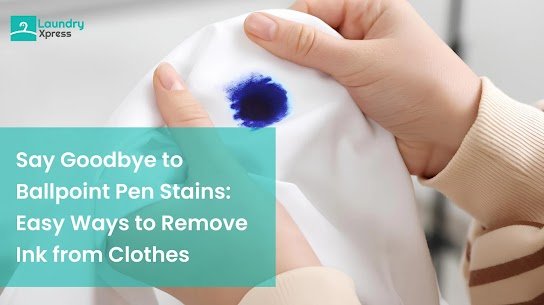
    Say Goodbye to Ballpoint Pen Stains: Easy Ways to Remove Ink from Clothes

    It’s that crazy part of the day when you catch sight of a pen mark and it just happens to be on your best shirt. Sound familiar? If yes, be sure, you are not alone. The question of ink stains is categorically one of those stubborn stains that seem to come out of nowhere. Never mind. The thing is that you just can’t throw it away as it’s not the end of your outfit.

    Ink Type Matters: Which Ink Are You Dealing With?

    Not all ink stains are the same. The remedial technique depends on the type of ink that has affected the piece of clothing. Are you familiar with the type of ink that your clothes have on them? Let’s do it very quickly.

    • Ballpoint Pen Ink

    The most usual suspect — these are the ones that are thick, oil-based, and fast-dried. They are still difficult, but the right products can help.

    Why It’s Difficult to Remove

    • Oil-based pigments are not water-soluble.
    • The ink dries fast and can harden within fabric fibers.
    • Heat (from a dryer or hot water) can permanently set the stain.

    Removal Methods:

    • Blot gently with a clean, dry cloth.
    • Apply rubbing alcohol to a cotton swab and dab the stained area.
    • Avoid scrubbing, which can spread the ink.
    • Rinse thoroughly with cold water.
    • Use milk soak or hairspray containing alcohol as alternative methods.
    • Always test treatments on a hidden area first.

    Precaution

    Avoid using hot water, as heat can cause the oil-based ink pigments to bond permanently with fabric fibers, making them much harder to remove.

    • Gel Ink

    Though water-based and less obstinate than ball pen ink, they can still spoil the fabric when they stay for too long.

    Why It’s Moderately Difficult to Remove:

    • Although it’s water-based, the high pigment load can stain fabrics quickly.
    • It spreads easily when wet and can leave residue if not treated promptly.
    • Can be partially set with heat if accidentally machine dried before treatment.

    Removal Methods:

    • Immediately blot the ink gently using a clean, dry cloth or paper towel.
    • Rinse the stain under cold running water from the back to flush out as much ink as possible.
    • Soak the fabric in cold water with a few drops of liquid detergent for 20–30 minutes.
    • Gently rub the fabric against itself to loosen the ink.
    • Rinse again with cold water.
    • If a stain remains, apply rubbing alcohol using a cotton swab, blotting gently until the ink lifts.
    • Rinse thoroughly and air dry.

    Precaution:

    Avoid hot water and direct heat sources until the stain is completely gone. Always test alcohol or other solvents on a hidden section of the garment first.

    • Fountain Pen or Printer Ink

    Mostly dye-based and more soluble, making it a bit easier to treat if caught early.

    Why It’s Easier to Remove:

    • Water-based ink dissolves more readily in cold water.
    • Pigments are less adhesive than oil-based alternatives.
    • Fresh stains lift more easily with gentle blotting and rinsing.

    Removal Methods:

    • Immediately blot the excess ink with a clean, white cloth or paper towel.
    • Rinse the fabric under cold running water, from the back of the stain to flush out the ink.
    • Soak in a mixture of mild detergent and cold water for 15-30 minutes.
    • If needed, apply a paste of lemon juice and baking soda to stubborn areas.
    • Rinse thoroughly and air dry.

    Precaution:

    Avoid hot water and test any cleaning agent on the affected part of the fabric.

    How to Prevent Ink Stains

    To prevent ink stains is much better than trying to get rid of them. 

    • Always put pen caps on tightly. 
    • Never let a pen be near your clothes or fabrics.
    • Keep ink bottles and pens in vertical, closed containers.
    • Buy pens that are leak-proof.
    • Deal with new stains as early as possible.

    Ink stains might be one of those little daily disasters we all face, but they don’t have to ruin your favorite clothes. As you’ve seen in this guide, acting fast, knowing your ink type, and using the right method can make all the difference. From rubbing alcohol and lemon paste to a simple soak in milk, you now have a full toolkit of clever solutions at your fingertips.

    If you’re dealing with a particularly tough ink stain or just don’t want to risk it on a delicate garment, remember Laundry Xpress is here to help. You can reach us anytime for expert advice, a quick pick-up, or professional cleaning services designed to save your precious clothes.